

























What the Studio Journal covers
This journal brings together short, practical articles for sign shops, print rooms and design teams that need useful guidance, not theory. We focus on the day to day decisions that affect output in Randburg, Johannesburg, Pretoria, Durban, Cape Town and Gqeberha, from set-up choices to dealing with load-shedding and coastal humidity.
Studio Journal topics help you focus on what matters most to your team. If you are fixing a cutter issue, planning a software upgrade or trying to tighten colour consistency across jobs, start with the topic that matches your current bottleneck.
How to pick the right article for your sign or print job
Some articles are aimed at owners and production managers, while others are better for operators, designers or new staff. If your focus is speed, look for workflow and queue management topics. If you are dealing with print matches or customer complaints, colour control and calibration notes will usually be the best place to start.
- Choose workflow articles when jobs are backing up or handovers are messy
- Choose colour articles when prints are not matching on different machines or materials
- Choose training articles when new staff need a clear starting point
- Choose setup articles when you are moving equipment, adding licences or opening another site
Topics that help production stay steady
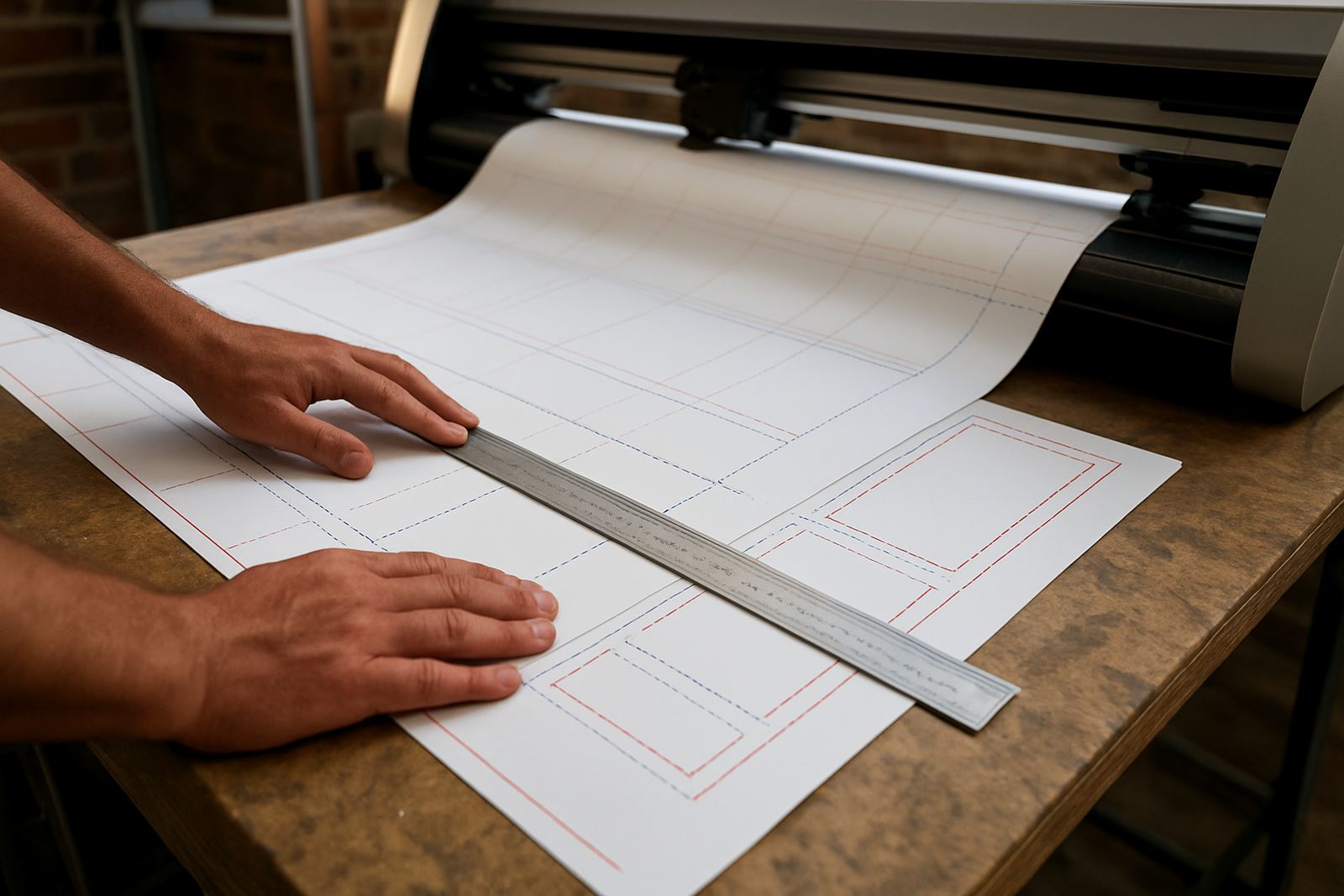
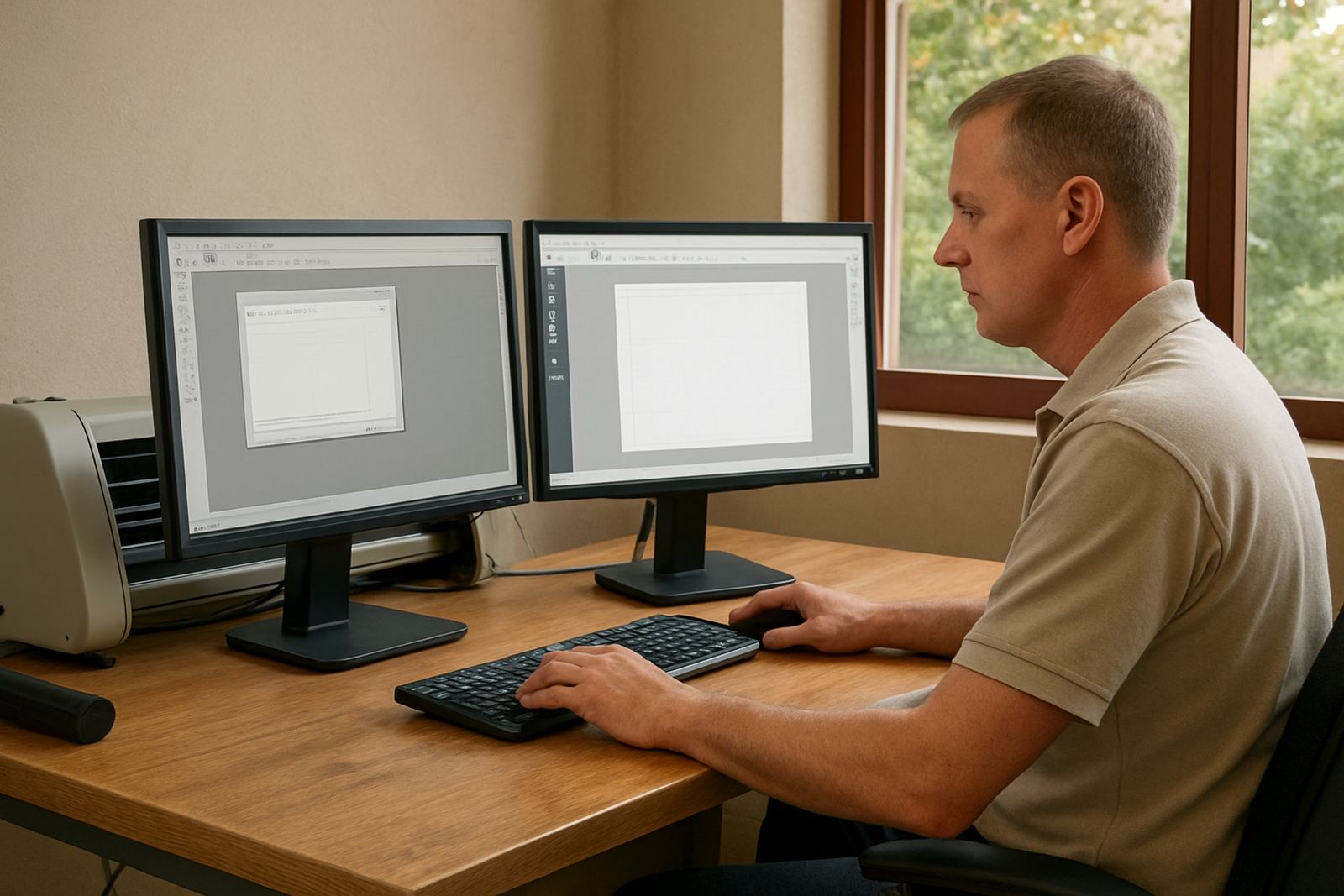
We write about the parts of production that often get skipped when shops are under pressure. That includes file preparation, RIP queue ordering, cutter setup help, workflow setup and planning for software upgrades before a busy season. In a South African shop, those details can save time and prevent a bad run becoming a costly reprint.
Where it matters, we also talk about the practical side of operating in mixed conditions, including power interruptions, changing substrate stock and the pressure of same week turnarounds. Small improvements in setup and process can make the whole room more reliable, even if the team is working across several sites.
Colour control for print and sign work
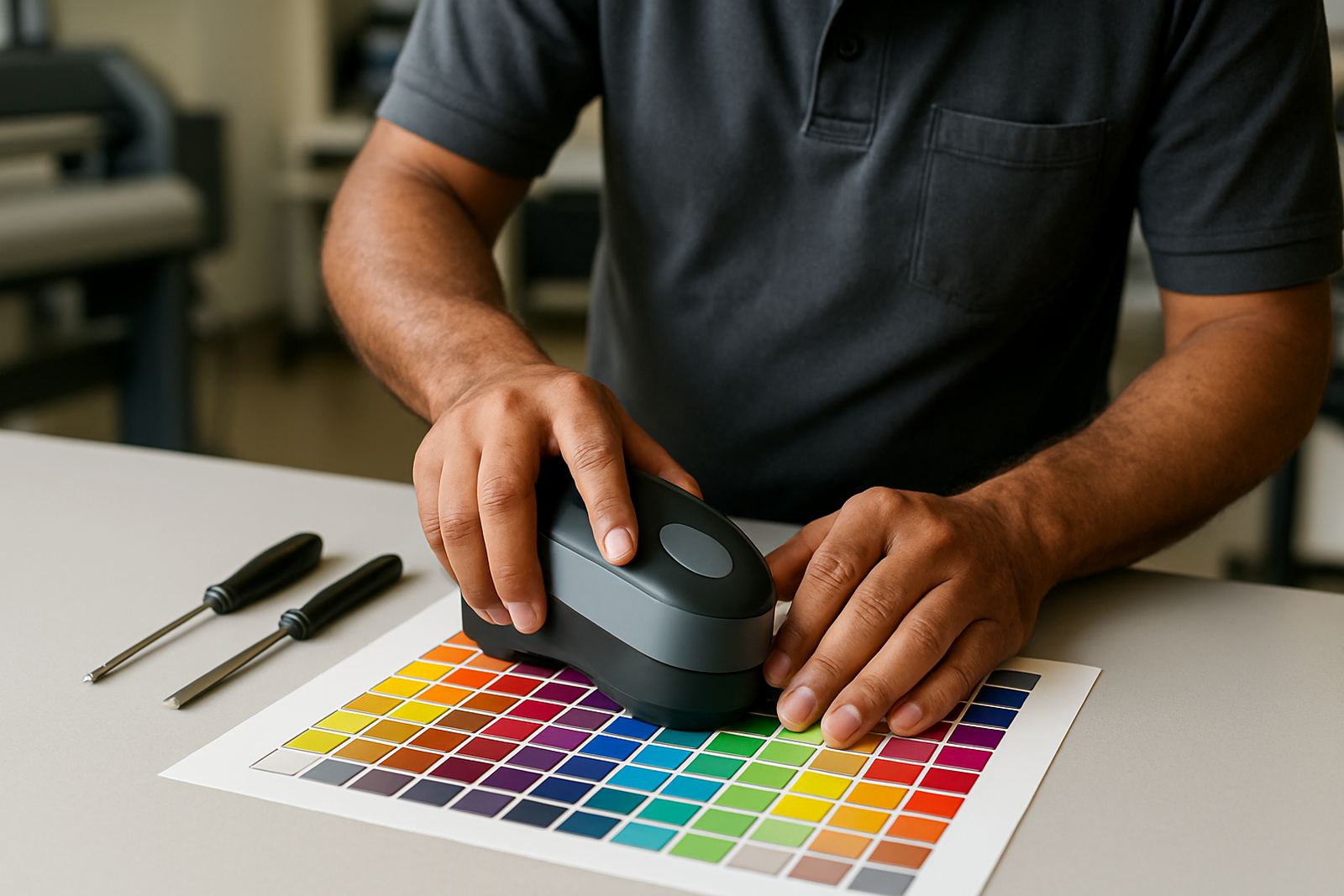
Colour management deserves its own section because it affects how customers judge your work. When the same logo prints slightly differently on vinyl, board or banner material, the problem is often in the workflow rather than the artwork itself. These articles look at colour profiles, device consistency and how to avoid guesswork between design and output.
- Use colour workflow notes for matching branded reds, blues and neutrals
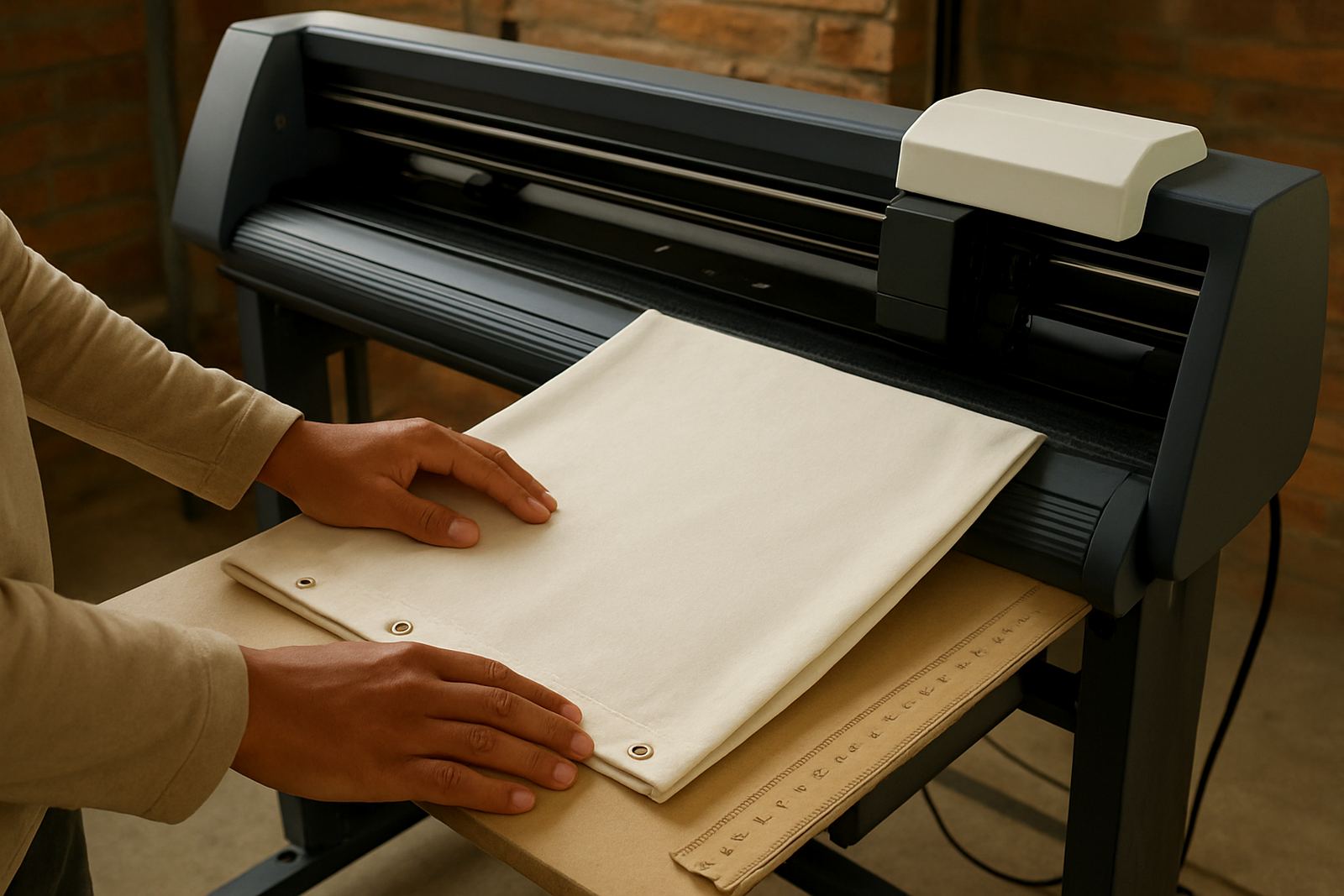
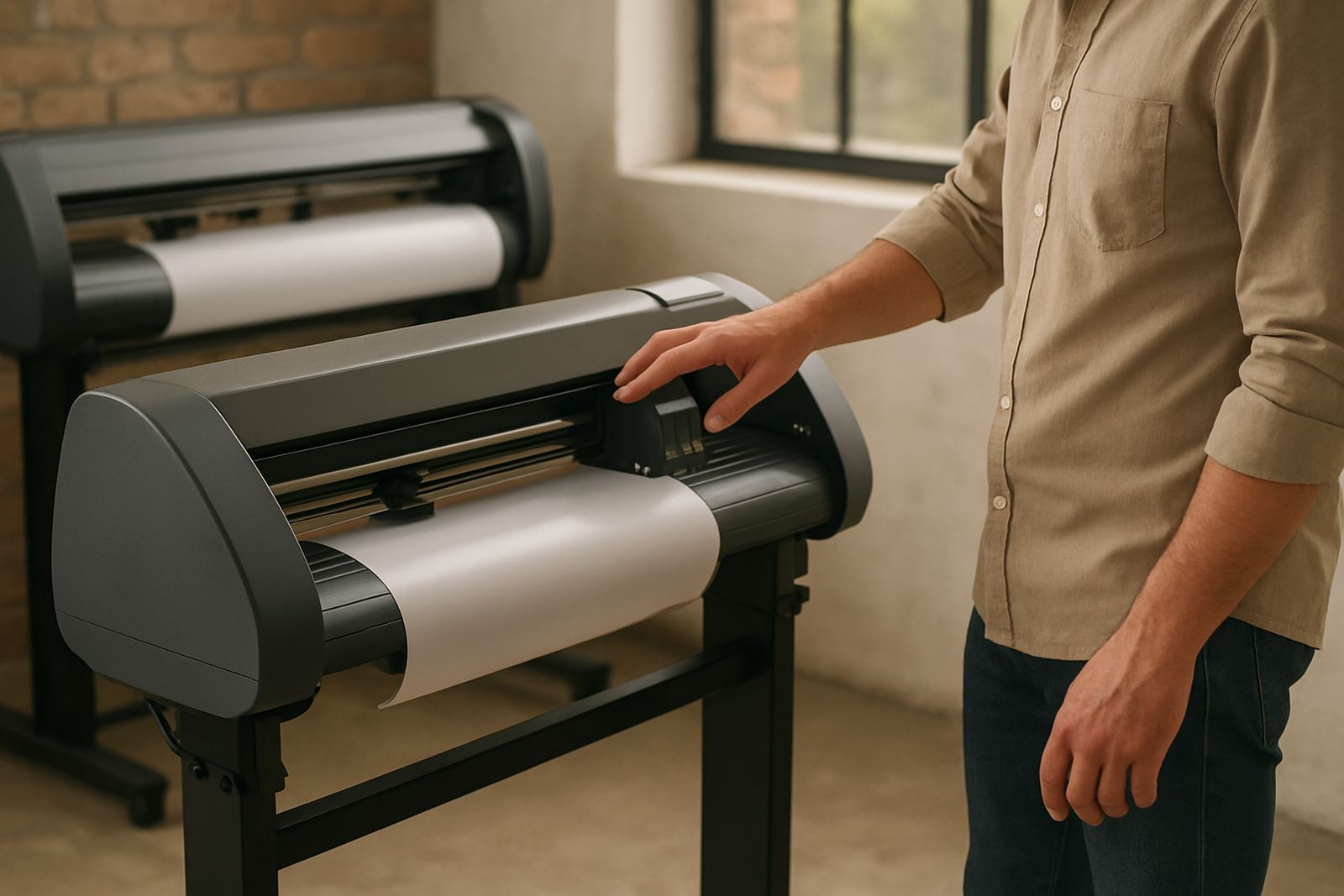
- Check printer and cutter alignment when colour and contour work need to line up
- Read workflow setup guidance before changing media or adding another output device
- Review upgrade planning articles if colour control has become harder with newer jobs
Training notes for new staff and growing teams
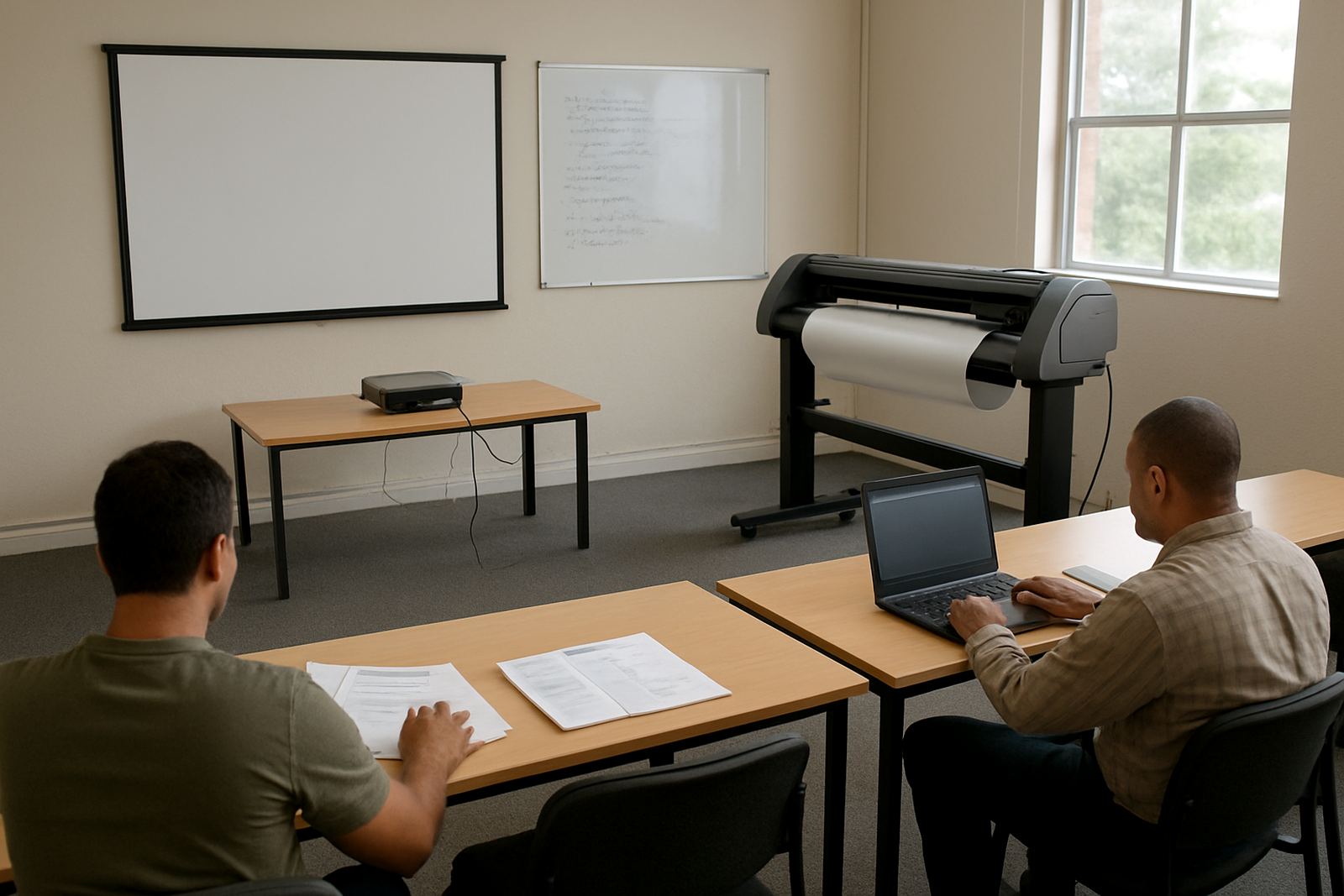
Many shops need quick, practical induction for new operators, junior designers and production assistants. Our training related articles are written with that in mind, so teams can learn the basics without losing a full day to trial and error. Topics often cover licence activation, remote support habits and the kind of production checks that prevent avoidable mistakes.
If you are onboarding someone in Randburg, Midrand or Centurion, it helps to pair the right article with a live walkthrough in your own environment. That is usually the fastest way to get good habits in place, especially when the team is handling cutters, RIP queues and artwork changes at the same time.
When to use the journal for business decisions
Not every article is only about software. Some are useful when you are deciding whether to add another machine, move to annual support or plan a larger training block for the team. Others help you compare the cost of fixing a recurring problem against the time lost every week. That kind of thinking matters for small shops and busy print providers alike.
If your business is growing, use the journal to review what will change before you commit to a new workflow. A clear plan for support, training and software use often costs less than dealing with repeated downtime later on.