

Local training starts with the way South African shops actually work
Every sign shop works under pressure, but in South Africa the pressure has a few extra layers. Power cuts interrupt production, humidity changes how vinyl behaves, courier lead times can be unpredictable, and municipal sign rules often force a last minute adjustment. Training that ignores those realities can be neat in theory and weak in practice.
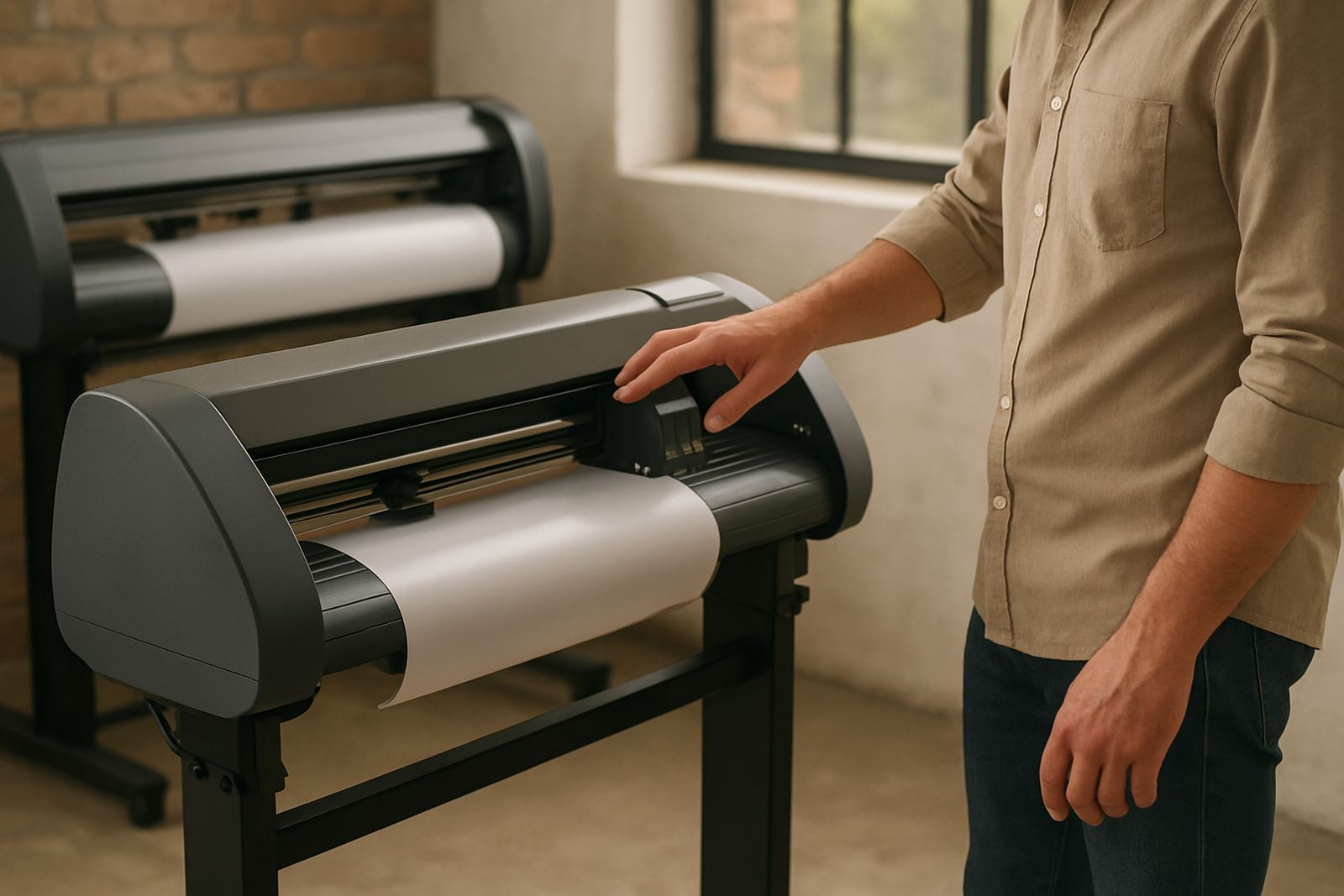
Local support shortens the learning curve because it deals with the actual conditions on your floor. If your team is setting up a cutter in Randburg, printing wraps in Durban, or preparing a short run in Cape Town, the software must fit the way your jobs flow. That means looking at the queue, the materials, the output device and the person who is going to press print at 4:30pm on a Friday.
At FlexiSIGN Studio, the first step is usually to ask how the shop is built, who does artwork changes, who handles output, and where mistakes tend to happen. That simple conversation often saves hours later, because training can focus on the tasks that matter most rather than generic menu tours.
Less guessing means fewer expensive production errors
Most costly mistakes do not happen because people are careless. They happen because a new staff member is unsure which profile to use, the cutter offset is wrong, or a RIP queue is set up in the wrong order. In a busy shop, one small error can waste metres of vinyl, ink and time on a job that was already sold at a tight margin.
Local training reduces that risk by showing your team the correct workflow for the equipment and materials they use every day. It also helps identify the points where a shop loses money without noticing it. A print file might look fine on screen but still run with the wrong colour setup. A cutter job may finish, but the weeding line could be off by a few millimetres and cause extra labour on every piece.
When the trainer understands South African production conditions, the lesson is more practical. There is less time spent on features that will never be used, and more time spent on cutting, queue handling, colour management and output checks that protect the budget.
A Randburg example: one sign shop, three sites, one workflow
Consider a sign shop based in Randburg with a second production point in Midrand and a small installation team working across Johannesburg and Centurion. The owner wants a cleaner handover between design, print and cutting, but each branch has developed its own habits. One person names files one way, another manages colour checks differently, and the operator at the cutter is often left guessing.
With onsite training and workflow setup, the shop can standardise the steps that matter. The same queue structure is used at each site, the same licence is active on the correct machine, and the same colour management process is followed before output. That makes it easier to cover staff leave, train new hires and keep production running when somebody is off sick or a machine is down.
Once the team has a shared system, support calls become shorter because everyone speaks the same production language. It sounds simple, but it can save a shop from repeating the same mistakes every week.
Remote support is useful, but it works best after proper training
Remote support has a strong place in South African sign production because it saves travel time and gets teams moving again quickly. If a licence needs activation, a queue needs adjustment, or a cutter is not responding as expected, remote help can solve the issue fast. But remote support works best when the user already understands the basics.
That is where local training makes the difference. A trained operator can describe the problem clearly, follow instructions under pressure, and avoid making the issue worse. A new user who has never been shown the workflow may click through menus until the settings are harder to untangle. Good training means fewer emergency calls and less downtime during a busy week.
For shops in Pretoria, Durban, Cape Town and Gqeberha, the ideal mix is usually a combination of hands-on setup, remote follow-up and a support plan that matches the volume of work. That way the team does not have to wait for a crisis before learning how the system should run.
Training should match the people, not just the software
One reason local training matters is that shops do not all learn in the same way. A designer may need help with output intent and colour workflow, while a machine operator needs help with queue order, cutter setup and media handling. A supervisor may want a clear view of how to manage jobs across several staff members. If the training is too general, nobody gets what they need.
At FlexiSIGN Studio, training is often arranged around the role the person plays in production. That can mean Randburg class training for new starters, onsite training for a busy branch, or support sessions for the team handling daily output. The goal is simple: less confusion, fewer repeated questions, and a shorter path to competent production.
When people are trained for their actual job, they keep information longer and make better decisions on the floor. It also builds confidence. A confident operator is usually a faster operator, and in print and signage that matters every day.
Why nearby support keeps deadlines realistic
Deadlines in signage are rarely flexible. A shop might have a municipal banner to complete before a meeting, a fleet graphic to install before a launch, or a retail print run that must be out the same day. Local support helps because it makes support easier to coordinate. A supplier who understands South African traffic, branch distances and after-hours pressure can plan better and solve issues before they become delays.
It also helps with upgrades and planning. Many shops keep running on old settings because nobody wants to interrupt production, but that can lead to slower queues, inconsistent output or staff relying on workarounds. A proper upgrade plan gives the team time to adjust, test and document the changes before the next rush arrives. That is a lot safer than waiting for a breakdown and hoping someone can figure it out on the fly.
For sign shops across Randburg, Johannesburg, Pretoria, Durban, Cape Town and Gqeberha, local training is not just about learning software. It is about protecting margins, reducing waste and making sure the team can produce reliably when the order book is full and the clock is unforgiving.