
Why repeat clients still need a proof every time
A regular customer may send the same logo, the same panel sizes and the same cutter file month after month, but that does not mean the job can move straight to production. Material changes, a new staff member on their side, or a small update to a phone number can all change how the final sign should look. A proper proof gives both sides one clear version to sign off before vinyl is cut or boards are printed.
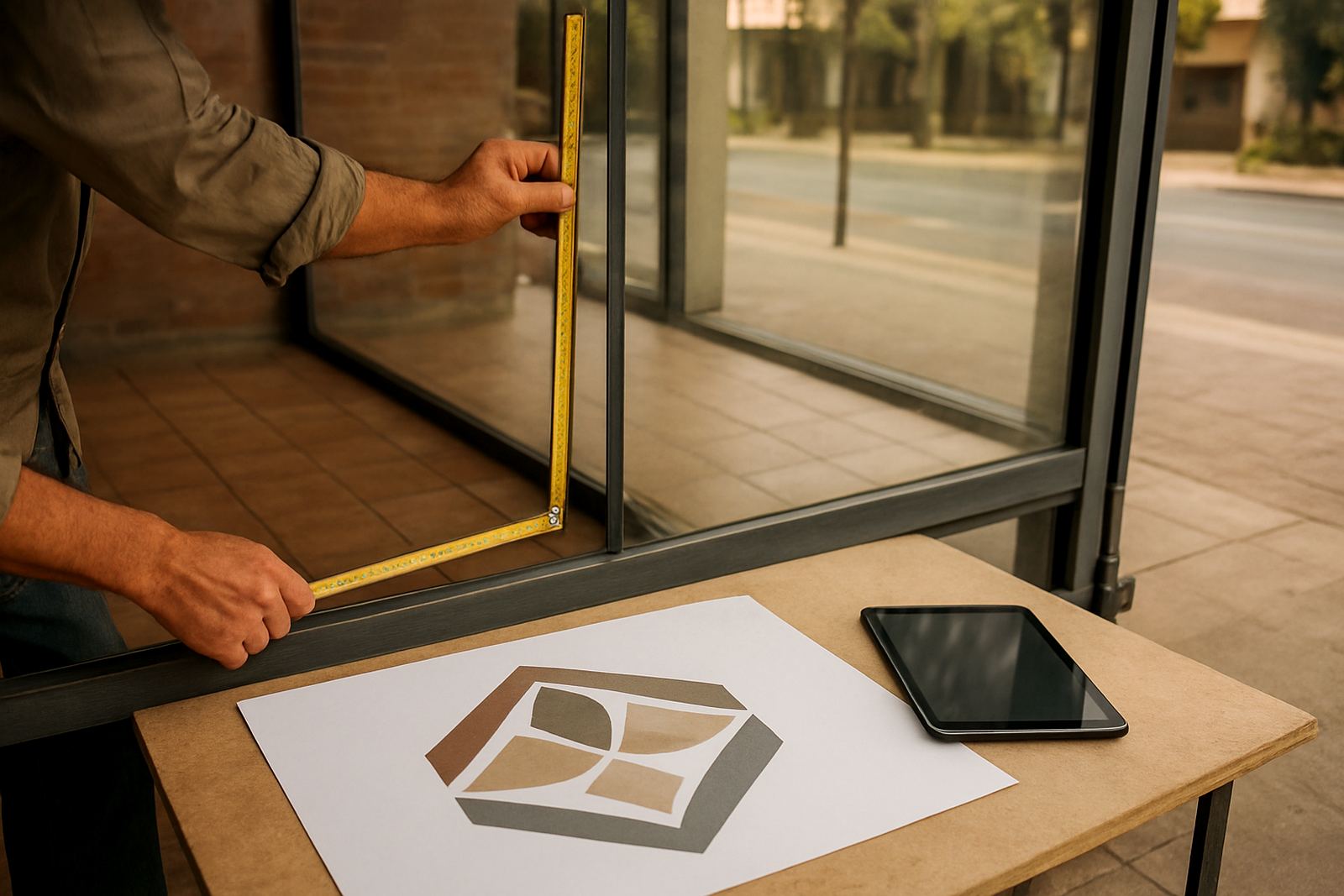
For South African sign shops, that matters even more when you are juggling courier deadlines, load-shedding and site work in different towns. A proof is not just a picture. It is a record of layout, size, colour intent and any special notes such as reflective vinyl, outdoor exposure near the coast, or mounting on an uneven wall.
When clients know they will always receive the same style of proof from your team, they learn how to read it. That reduces the back and forth that slows down a week full of vehicle graphics, shop fascias and short-run print jobs.
Build one proofing method and keep it steady
The biggest time saver is a repeatable proof format. If every proof looks different, clients spend time searching for the key details. A fixed layout makes approval quicker and gives your team a cleaner handover from sales to production. Even a simple job should show the same core information each time.
- Client name and job number
- Artwork size in millimetres or metres
- Material or print type
- Colours used and any special finish
- Installation notes, if needed
- Approval date and version number
Once this format is standard, your proofing process becomes easier to train. New staff can follow the same steps from the start, and experienced team members do not waste time rechecking the same details. It also helps when a client has branches in different cities and wants the same signage spec across all sites.
At FlexiSIGN Studio, many teams prefer proofing that links directly to their RIP setup and cutter output, so the approved file matches what will be sent to the machine. That cuts down on last minute corrections and keeps the workflow tidy.
Proof the changes on repeat jobs
Repeat clients often care less about a full design presentation and more about whether the new job matches the last approved one. So the proof should focus on the changes, not bury them under unnecessary detail. If the layout is the same, make that clear. If the colour has shifted because the material has changed, say so plainly.
For example, a Cape Town client may reorder a set of outdoor directional signs for a site near the harbour. The artwork may be identical to the previous batch, but the new substrate may need a different print profile because the sun and salt air are harder on some materials. In that case the proof should note the material, the finish and any change in colour appearance under bright light.
Good proofing for repeat work should answer these questions quickly:
- Is this the same layout as last time?
- What changed since the last approval?
- Are colours being matched by eye, by profile, or to a previous sample?
- Is the job for indoor use, outdoor use, or both?
- Does the client need to approve one item, or a full set?
Colour control matters more on repeat work than people think
Clients often assume that because a sign was approved once, every later print will match perfectly. In practice, printers, vinyl stocks, lamps and even room lighting can change how colour looks. That is why repeat clients benefit from a consistent colour workflow, especially when they move between shops, offices and site signage.
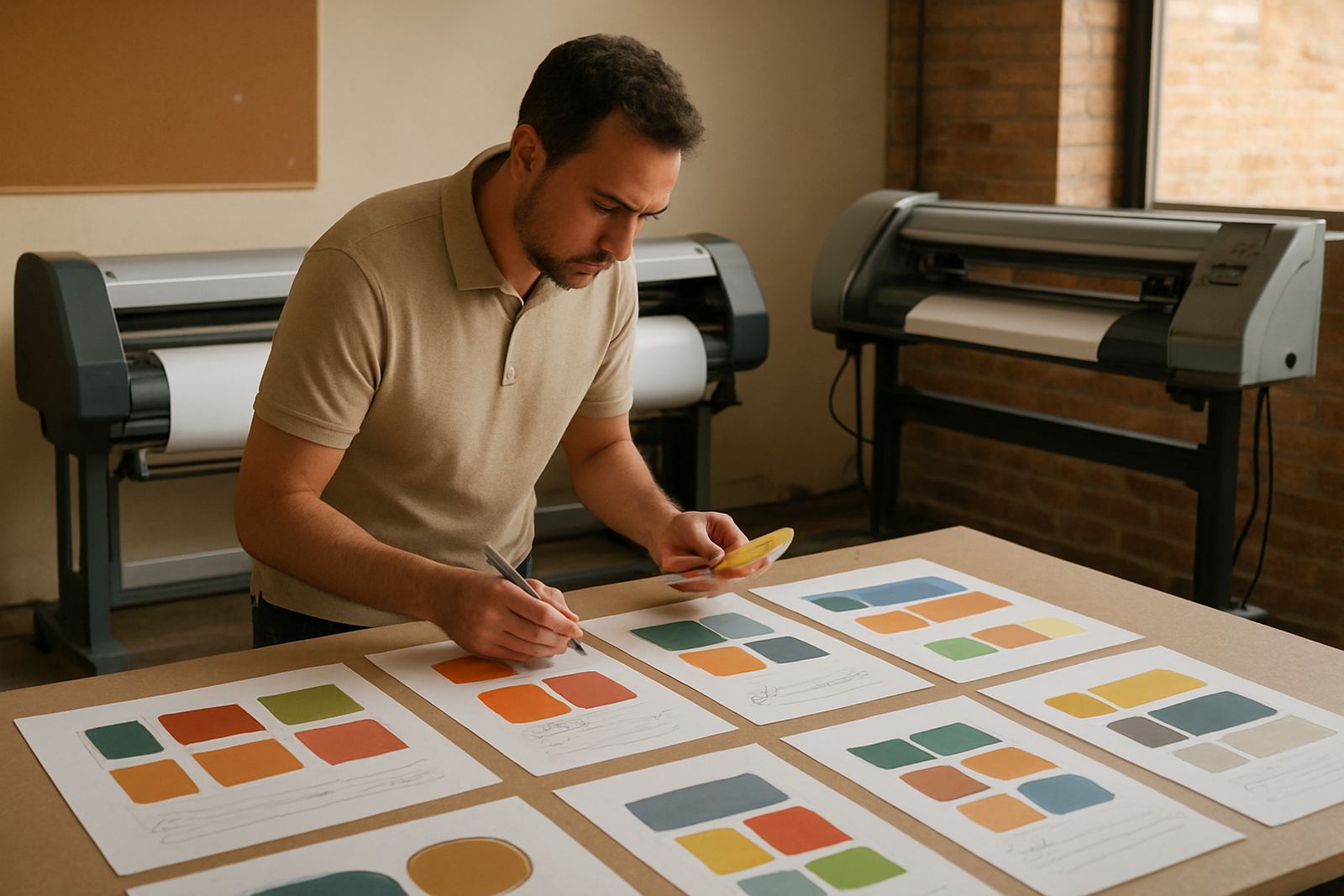
If the same corporate blue prints slightly differently on a re-order, the client may think something is wrong even when the artwork is correct. The fastest way to avoid that argument is to proof against a known reference, not memory. A saved sample, a previous approved proof, or a printed swatch set can help everyone stay on the same page.
Teams that handle wide-format print, cutter work and mixed media jobs should also keep an eye on ink density, media profiles and cutter registration. If the proof says one thing and the machine setup says another, the final job will create avoidable complaints. A consistent proof method gives your production team a chance to catch those issues before the material is wasted.
Speeding up approvals without losing control
Repeat clients usually want a quick turnaround, but they still need enough information to feel confident. The trick is to make the proof short, clear and complete. Too much detail slows them down. Too little detail creates questions that bounce back into your queue.
A practical approval pack for regular work can include one main proof and a short note that explains the change from the last job. If the client only wants a reprint of an existing sign, say that directly. If the board size has changed by 200 mm, make it obvious. This gives the customer a chance to approve fast without opening a long chain of messages.
Useful habits for faster sign off include:
- Send proofs in the same file format every time
- Mark revised areas clearly instead of resending the whole chain of changes
- Use version numbers on every proof
- Keep a record of who approved what and when
- Note if the job is urgent because of installation dates or courier cut offs
When the approval process is tight, your team can spend more time on production and less time chasing replies. That is valuable for shops serving Johannesburg, Pretoria, Durban and other busy areas where clients expect same week action.
A practical example from a repeat client in Randburg
A signage client in Randburg orders updated branding for several branches every quarter. The basic layout stays the same, but each branch has its own contact details and opening hours. In the early days, the proofing process was messy because every branch manager replied separately and asked for small wording changes. Jobs stalled and the cutter queue backed up.
After the team moved to one standard proof format, the process improved. Each branch now receives the same proof style with the same approval notes, and only the branch-specific details change. The file version is listed, the size is shown clearly and the approval request goes to one nominated person. That means the production team can move ahead once the main contact signs off.
This approach works especially well for repeat work that includes both print and cut items. If the client is ordering shopfront vinyl, directional signs and a few internal notices at the same time, the proof can separate the items by section so there is no confusion. It saves time on both sides and keeps the job moving even during a busy week with power interruptions or site access delays.
Keep proofing tied to training and support
Good proofing is not only a production issue. It is also a training issue. If the person preparing the proof does not understand the machine setup, the colour target or the installation method, the client may approve something that is difficult to produce cleanly. That is why sign shops benefit from proofing rules that sit alongside software training, cutter setup help and workflow setup.
For teams with new staff, the proof should become part of the induction process. Everyone should know when to send it, what to include and who must approve it before output. If the system is consistent, a support consultant can step in quickly when the client asks for changes, and a training coordinator can show the same method to new hires without confusion.
Repeat clients value certainty. A steady proofing method gives them that certainty and gives your shop a cleaner path from artwork to finished sign.