
Why Durban moisture changes media handling
On the coast, humidity is not just a weather note, it is a production issue. Vinyl can curl at the edges, paper can swell, and some coated media can feel slightly soft before print. If the workshop opens early and the doors stay open through the day, stock will keep taking on moisture from the air. That changes feeding, static control and the way media sits under pressure rollers.
For sign shops in Durban North, Pinetown or closer to the harbour, the biggest risk is inconsistency. One roll may run cleanly in the morning and then start to track a little differently after lunch. The same job can feel fine on Tuesday and then show tiny changes on Friday when the weather has shifted. It is not always dramatic, but small changes add up fast on long runs.
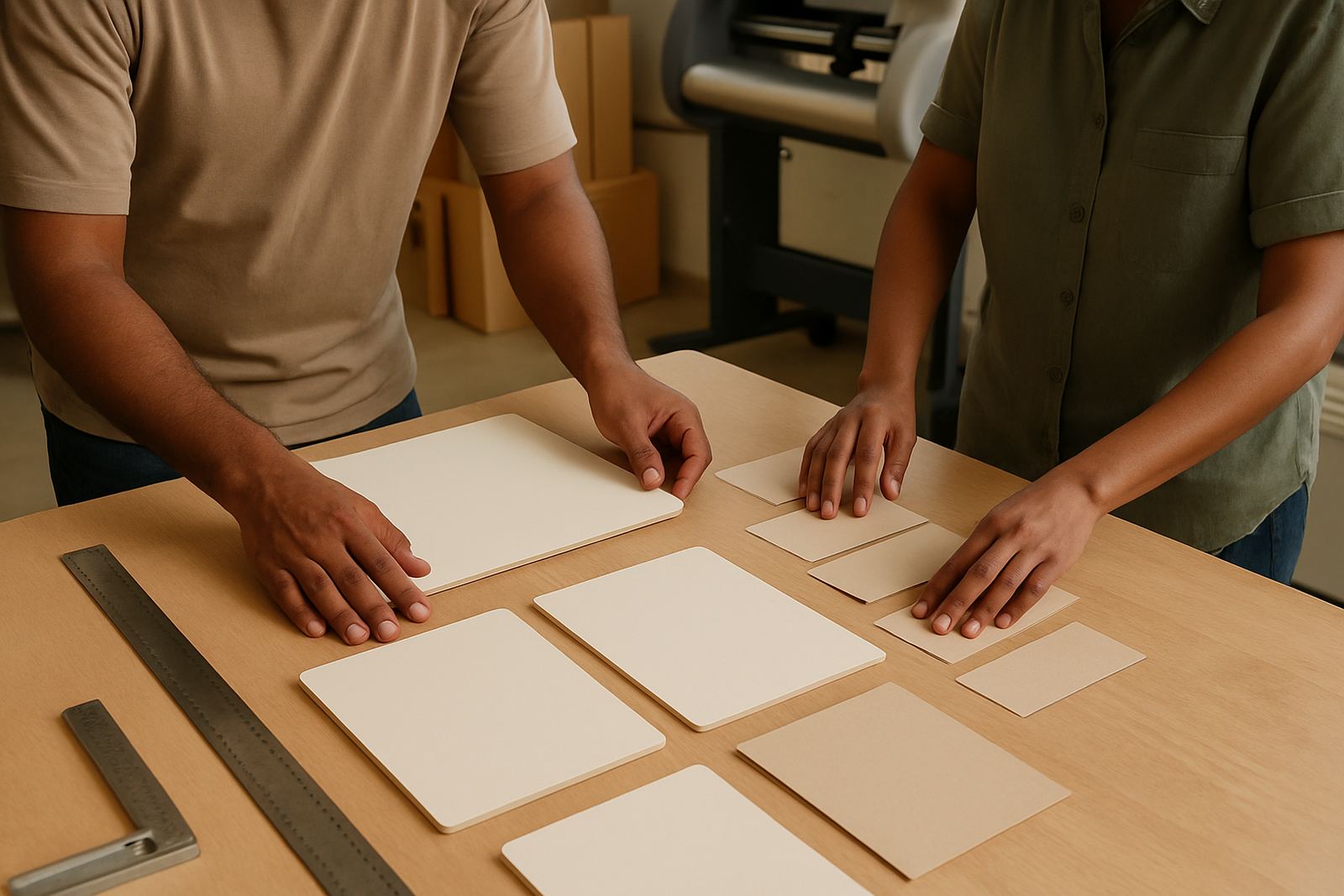
Humidity also affects the surface energy of some materials. That means adhesives can feel a touch less predictable during application, especially on narrow returns or on panels that were brought in from a cooler storeroom. If the installer is rushing, they may blame the cutter or the file when the real issue is the media acclimatising. A few hours in the same room as the job can save plenty of frustration.
Storage habits that keep media stable
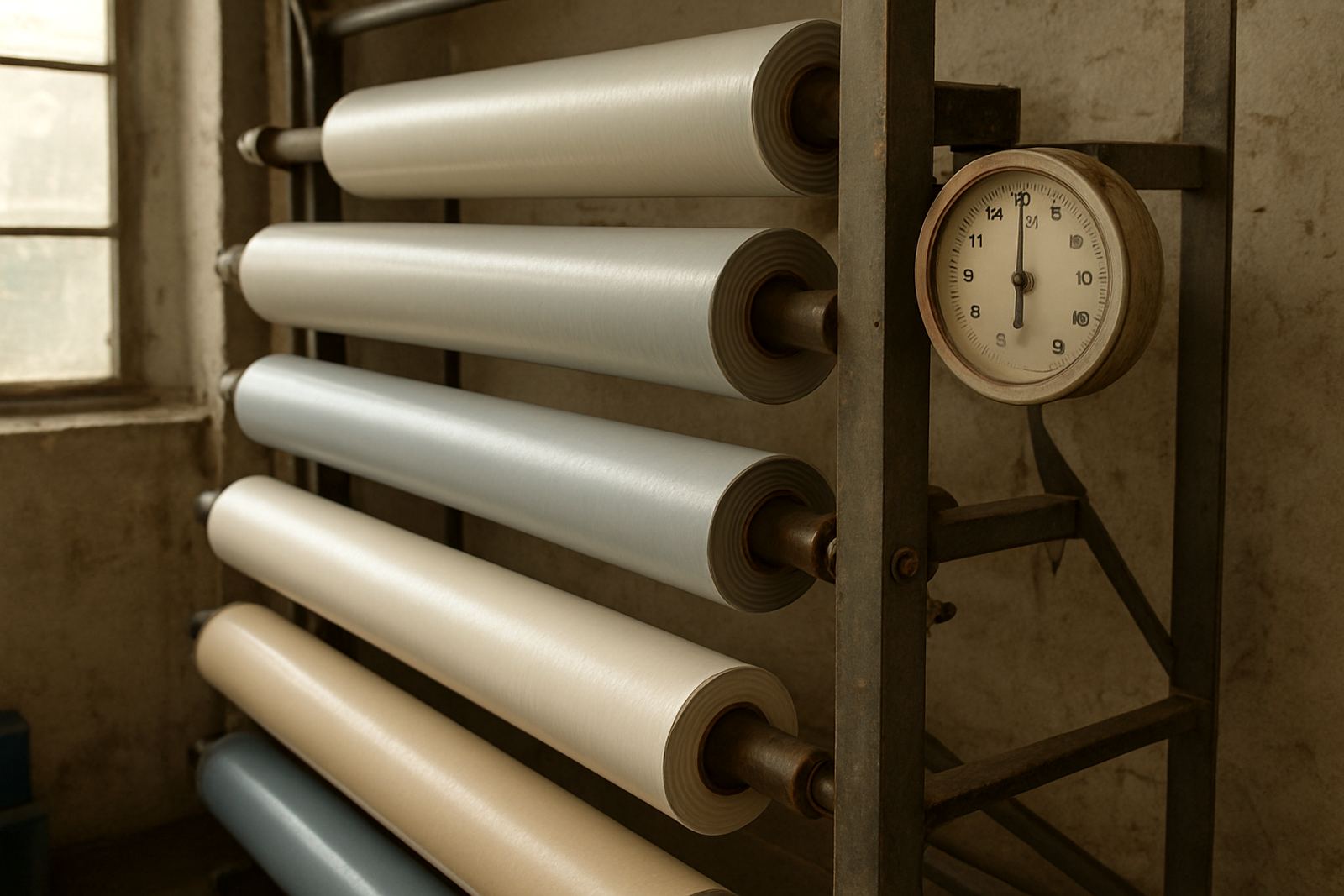
Good storage is the first control point. In Durban, stock should be kept off the floor, away from outside walls and out of direct sun. A concrete floor can wick moisture into cartons and rolls, especially in older units where ventilation is limited. If the store room backs onto a roller shutter, give the media some breathing room and avoid stacking cartons too tight against the wall.
- Keep rolls sealed until needed, then rewrap what remains.
- Store paper and board flat where possible, not leaning for long periods.
- Use pallets or racking so stock sits above damp floors.
- Mark open dates on partially used media so older stock gets used first.
- Let material acclimatise in the print room before use, especially after delivery.
It also helps to split stock by use. Daily vinyl should not sit next to archive paper or specialty media that only comes out for certain jobs. If one batch has absorbed moisture and the other has not, you can end up adjusting settings for the wrong roll. A tidy store room saves time and keeps the operator from second guessing every run.
What moisture does to feeding, cutting and static control
Humidity changes the way a machine grips media. With vinyl cutters, damp or softened film may track slightly differently, which affects long contour cuts and small lettering. The blade pressure that worked on Monday may need fine tuning on a sticky afternoon. In print rooms, paper that has picked up moisture can feed unevenly and cause slight rippling before the heater or drying stage has done its job.
Static behaves differently too. In dry winter spells, static can be high, but coastal moisture can reduce some of that while introducing other handling problems. The media may not snap and cling as much, yet it can drag or wrinkle in the path if rollers are not clean and correctly set. The answer is not to guess. Check pinch roller pressure, clean the feed path and keep the cutter or printer calibrated for the stock you use most often.
- Run a short test cut before a full batch.
- Check for edge curl on the first metre of every new roll.
- Inspect grit rollers and feed rollers for dust and adhesive build-up.
- Adjust cutter offset if fine corners begin to overcut.
Ink drying and colour shifts in a humid print room
For print service providers, moisture can influence drying and final appearance. In a humid room, solvent or water-based output may need more time before it can be handled, laminated or cut. If the job moves too fast from printer to finishing, you can trap moisture and get later edge lift or slight mottle under laminate. Even when the print looks dry on top, the layers may still be settling underneath.
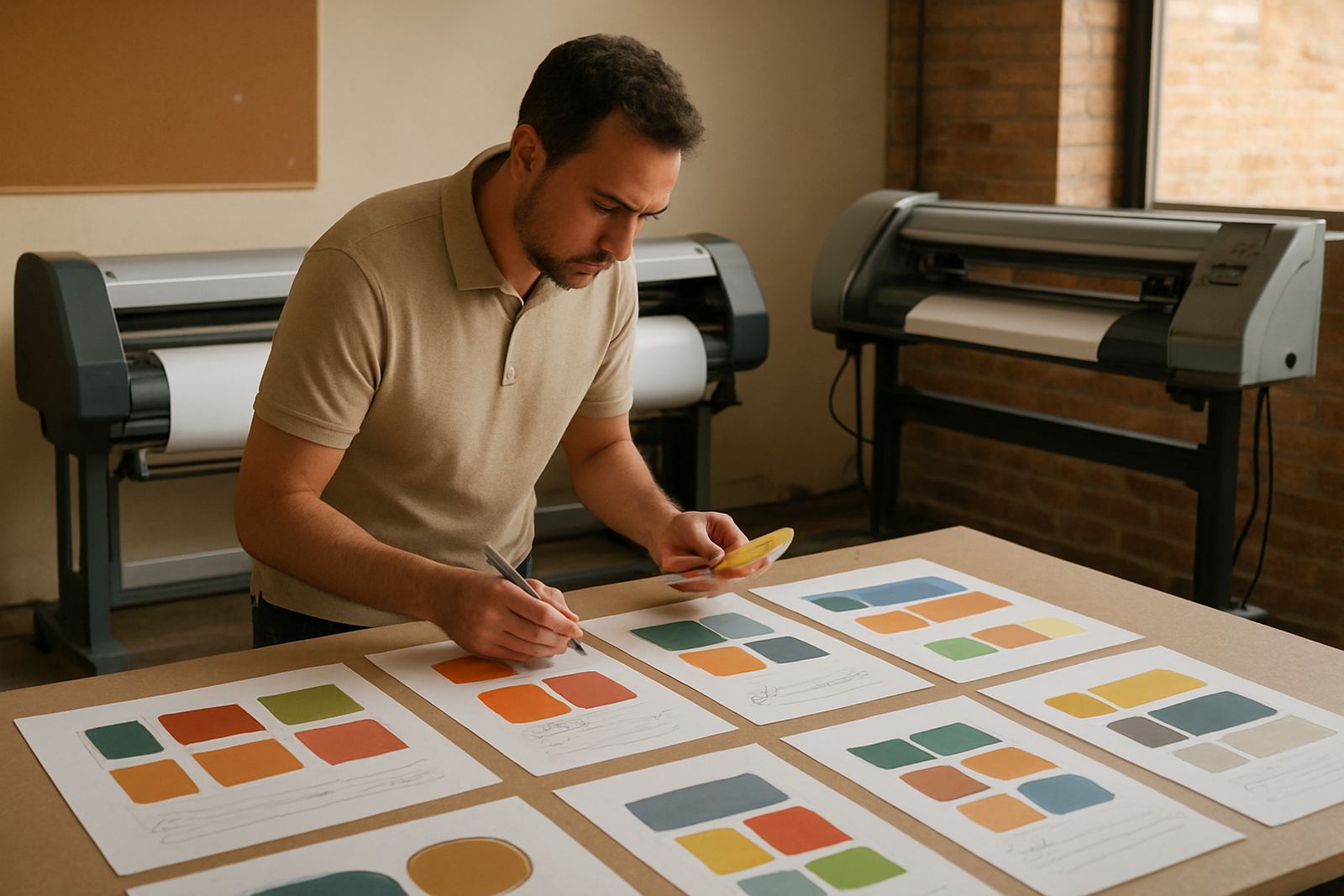
Colour can also shift a little when the environment changes. A saturated green or deep blue may appear to dry darker or flatter than expected, especially on coated media. That is where a steady workflow matters. The RIP settings, drying time and viewing light should stay as consistent as possible. If you are matching corporate colours for clients in Umhlanga or the inner city, test strips are worth the extra minute.
Keep your profiles and queue settings documented. If a summer run starts to behave differently from a winter run, note the room conditions, media batch and drying time. Over a few jobs you will see patterns. That record is worth more than memory, because memory gets fuzzy when the deadline is tight and the shop is busy.
How to set up a Durban job for cleaner output
The best results come from setting up the job before the machine starts. That means checking the media type, the finish the client expects and the route the job will take through printing, cutting and installation. A shop in Springfield or Bellville may have different climate conditions, but Durban needs extra care around acclimatisation and drying time. If the job is for a storefront or a vehicle, allow enough time for the media to settle before fitting.
Use a simple preflight routine:
- Confirm the media has been in the room long enough to match temperature and moisture.
- Verify the correct ICC profile or RIP preset for that stock.
- Check the cutter or printer tension before committing the full run.
- Leave enough drying and off-gassing time before lamination or installation.
This is where workflow software and queue control help. If the artwork is sent through with the wrong preset, the operator may only catch the issue once the first sheet has been wasted. A clean queue, named presets and clear handover notes reduce that risk. It is a simple habit, but it saves money when a carton of media costs more than people expect.
A local example from the coast
One Durban shop handling short-run retail signage kept seeing minor lift on laminated vinyl after installation at a shopping centre near the coast. The print looked fine in the shop, but the edges started to show stress after fitting. The problem was not the cutter and not the artwork. The vinyl had been stored in a cooler back room, then printed and laminated too quickly after being moved into a warm, humid front area. The material never had time to stabilise.
Once the team changed the routine, the results improved. Rolls were moved into the print room a day before use, the drying window was extended, and the queue settings were updated for that media type. They also stopped placing fresh stock directly against an outside wall. It sounds small, but the change cut down on rework and reduced call-backs from installers.
That kind of fix is typical in Durban. The city’s humidity is part of the production environment, so shops that build it into their process usually waste less media and get more predictable output. The weather will still change, but the workflow no longer has to wobble with it.