



What a studio setup usually covers
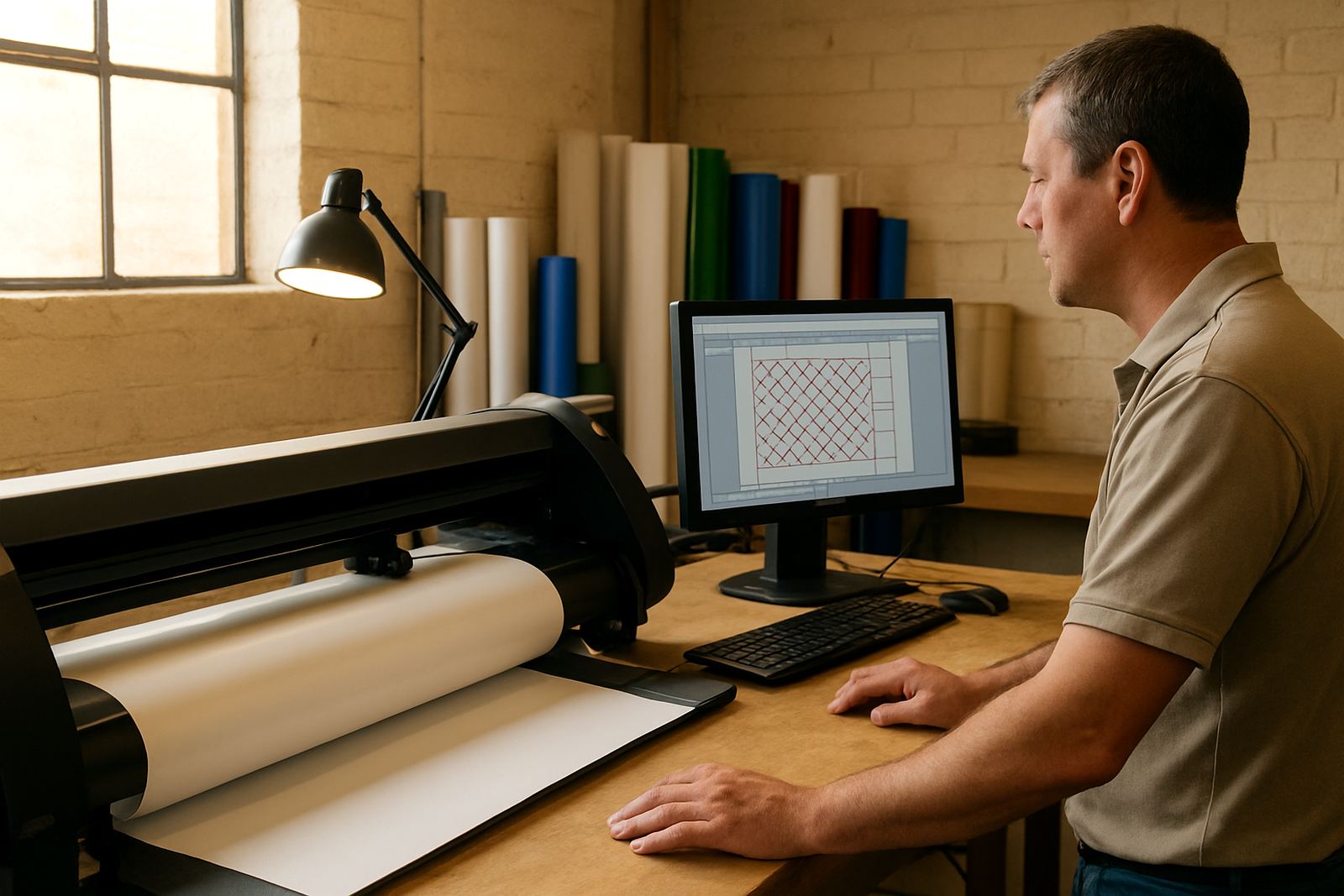
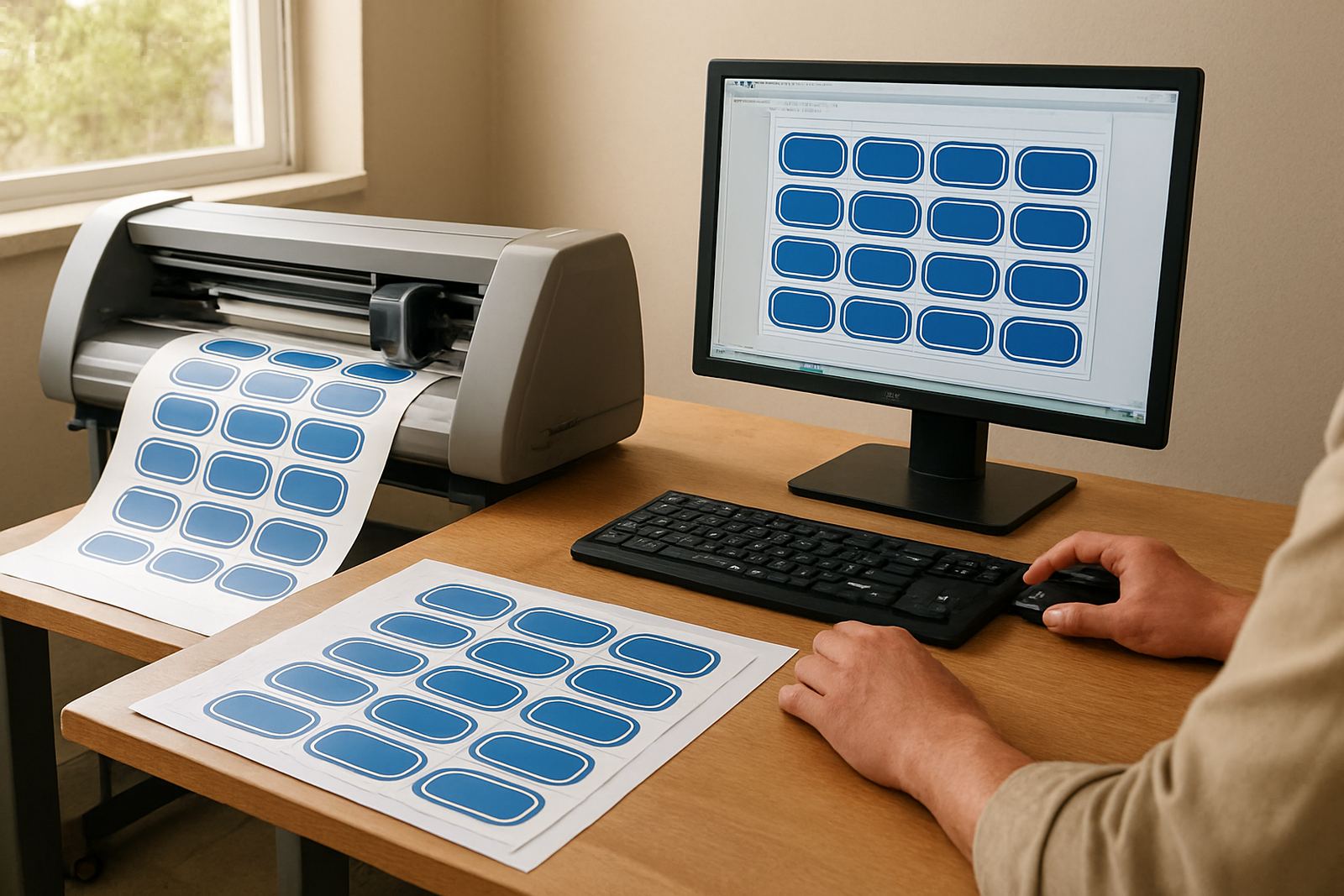
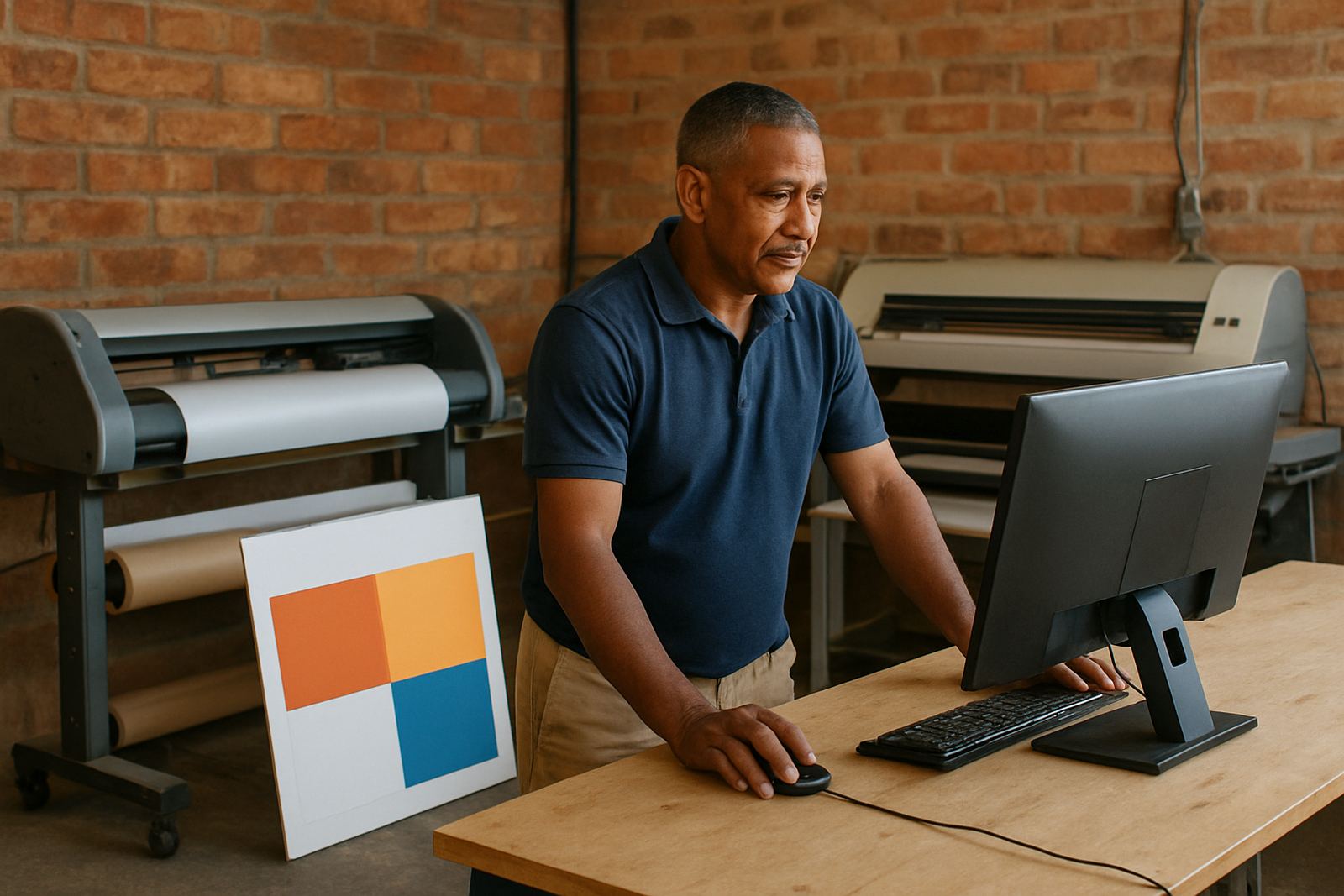
A proper studio setup is more than loading software and leaving the shop to figure it out. We look at the full production path, from artwork handover and licence activation to cutter output, RIP queues and colour handling. That matters whether the team is running one vinyl cutter in Randburg or managing a mixed print and cut workflow for clients in Durban, Cape Town or Pretoria.
Each project setup shows a typical job type, so you can match your own setup to a similar starting point. Some clients need installation and remote support. Others need onsite training, staff induction and a cleaner file flow before peak season kicks in.
How to choose the right project example
If you are not sure which setup page fits your shop, start with the part that is causing the most delay. A new staff member may need basic onboarding. A busy production room may need RIP queue planning and colour management. A small sign shop in Midrand may only need cutter setup help and licence activation, while a larger team may need workflow setup across several workstations.
- Choose a software installation page if the main need is getting the system running.
- Choose a training page if the team can print, but output is inconsistent or slow.
- Choose a support page if the issue is ongoing and needs follow up after setup.
Typical setups across South African towns
We work with sign shops, graphic designers and print service providers across Johannesburg, Pretoria, Durban, Cape Town and Gqeberha, with visits into Midrand and Centurion where needed. Coastal humidity in Durban or Gqeberha can affect media handling and workflow habits, while colder inland mornings in Gauteng often show up as static, feeding issues or slower start-up routines. The setup needs to suit the environment, not just the software manual.
For that reason, studio pages often mention the kind of conditions and production pressure that shaped the job. A small shop may need practical shortcuts for load shedding. A larger operation may need colour workflow control so reprints and client approvals stay consistent across jobs.
Setup services people ask for most
These are the jobs that come up again and again when a studio is trying to improve output without replacing the whole floor plan. The list below is a good starting point when you are comparing project pages.
- Software installation and licence activation for new or upgraded systems
- Remote support for quick fixes, file issues and production checks
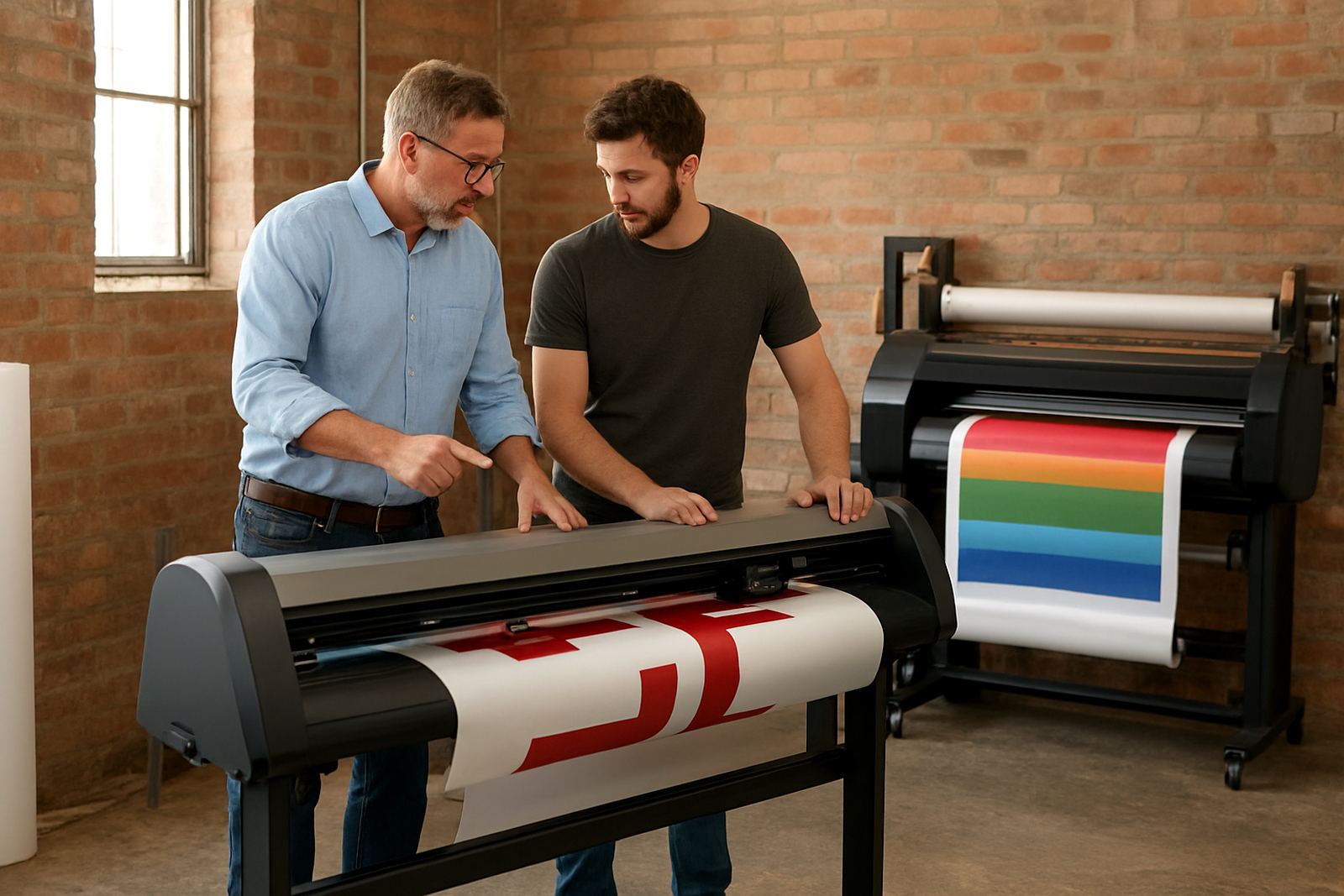
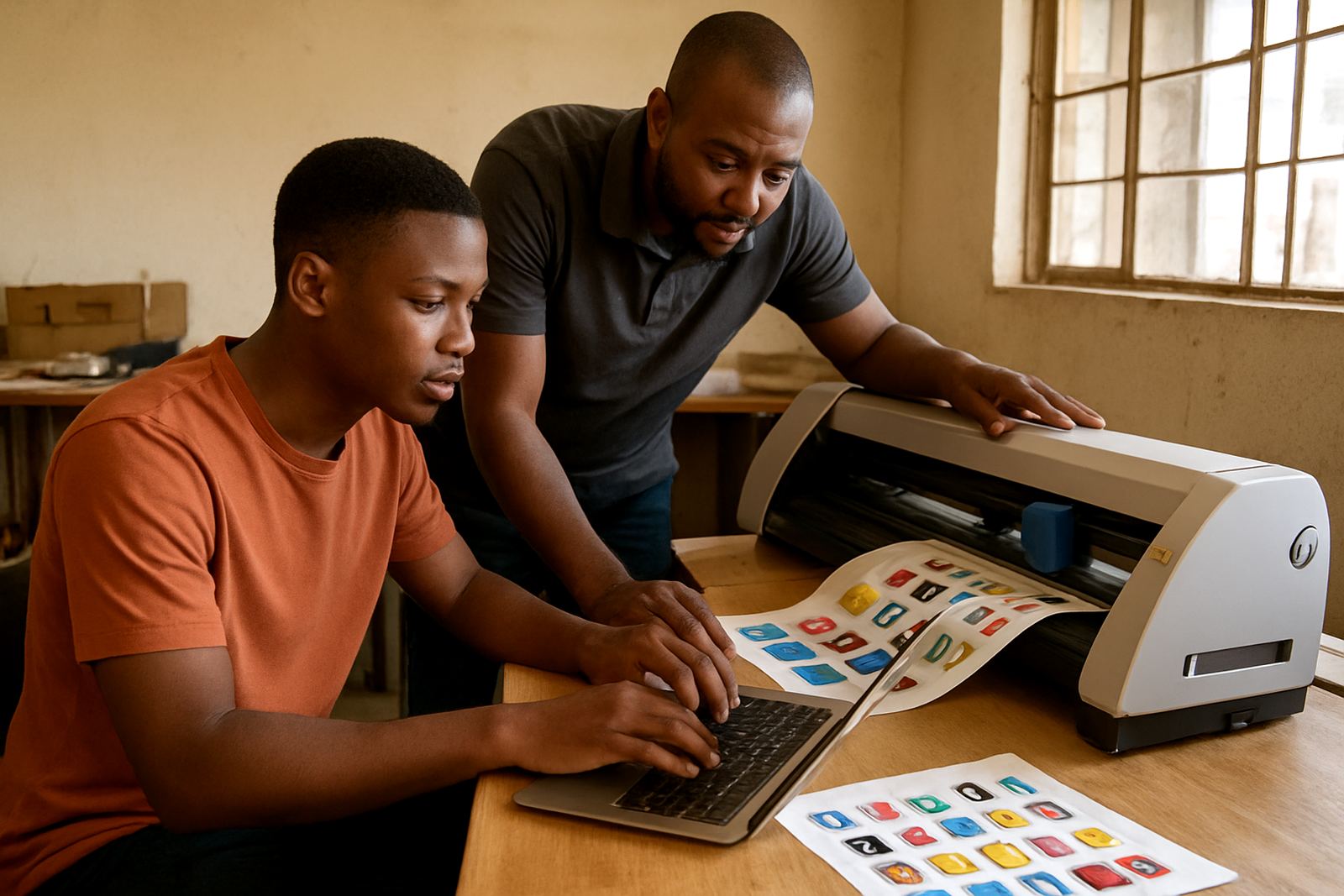
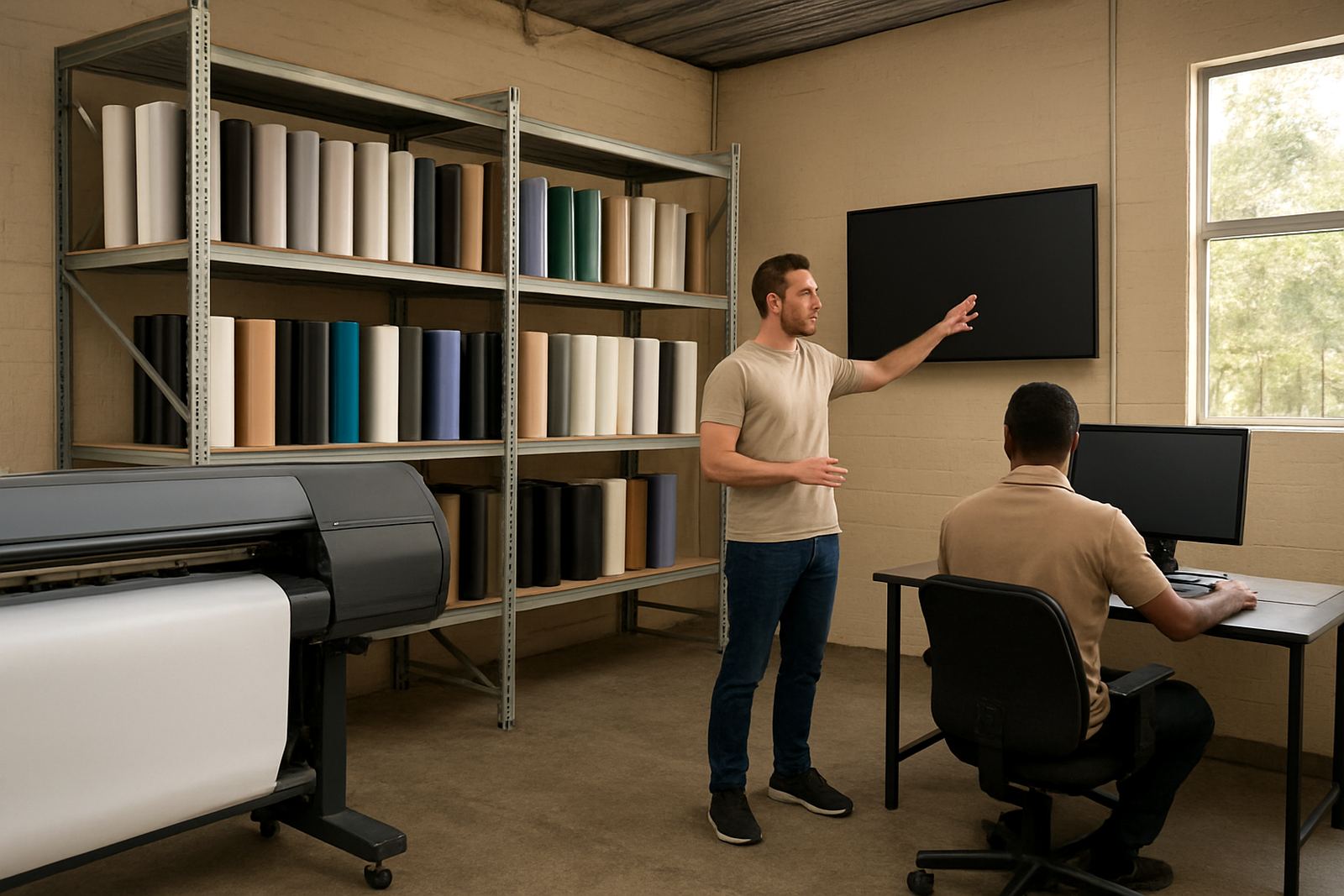
- Onsite training for cutters, RIP tools and artwork handover
- Workflow setup for sign shops with several operators or stations
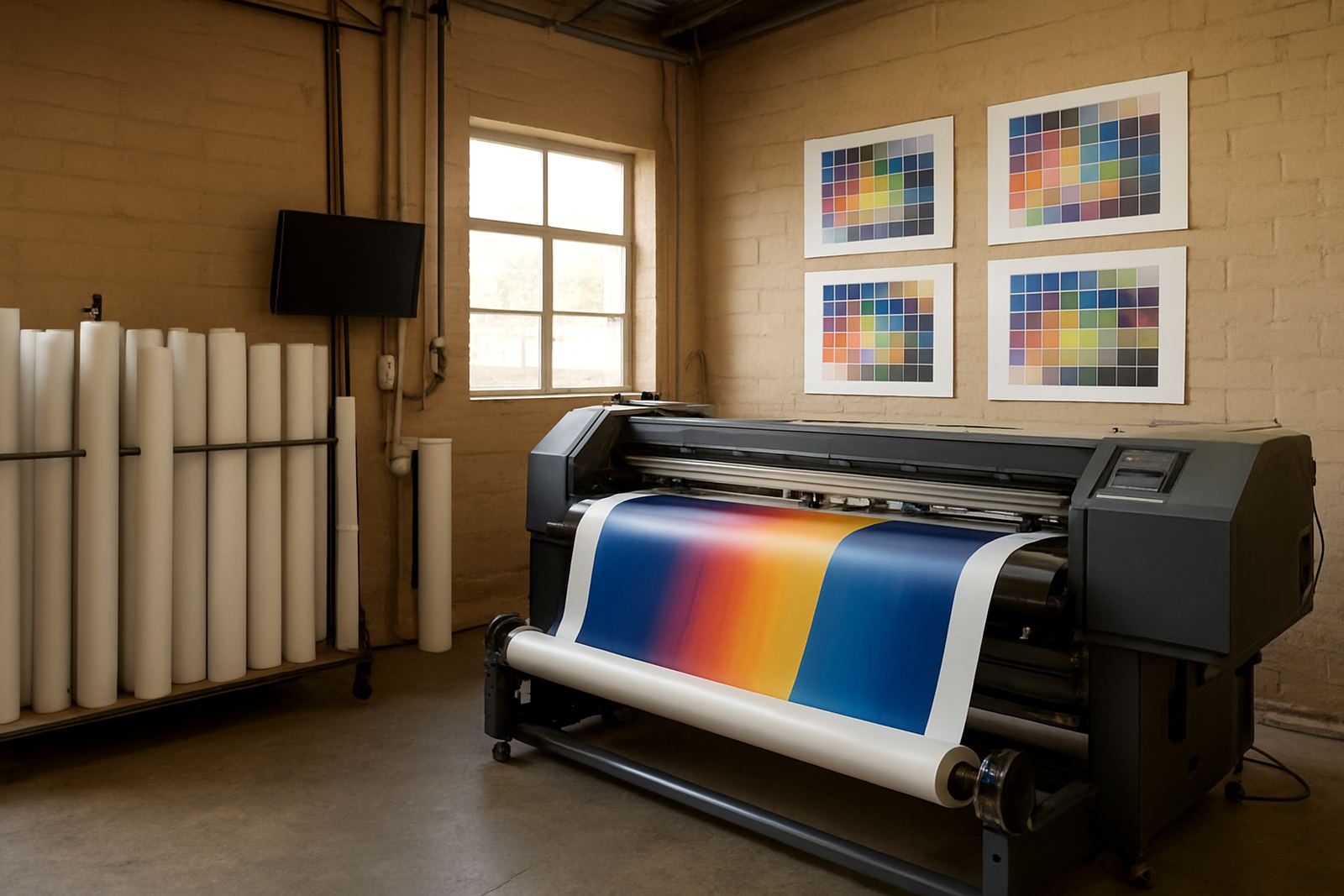
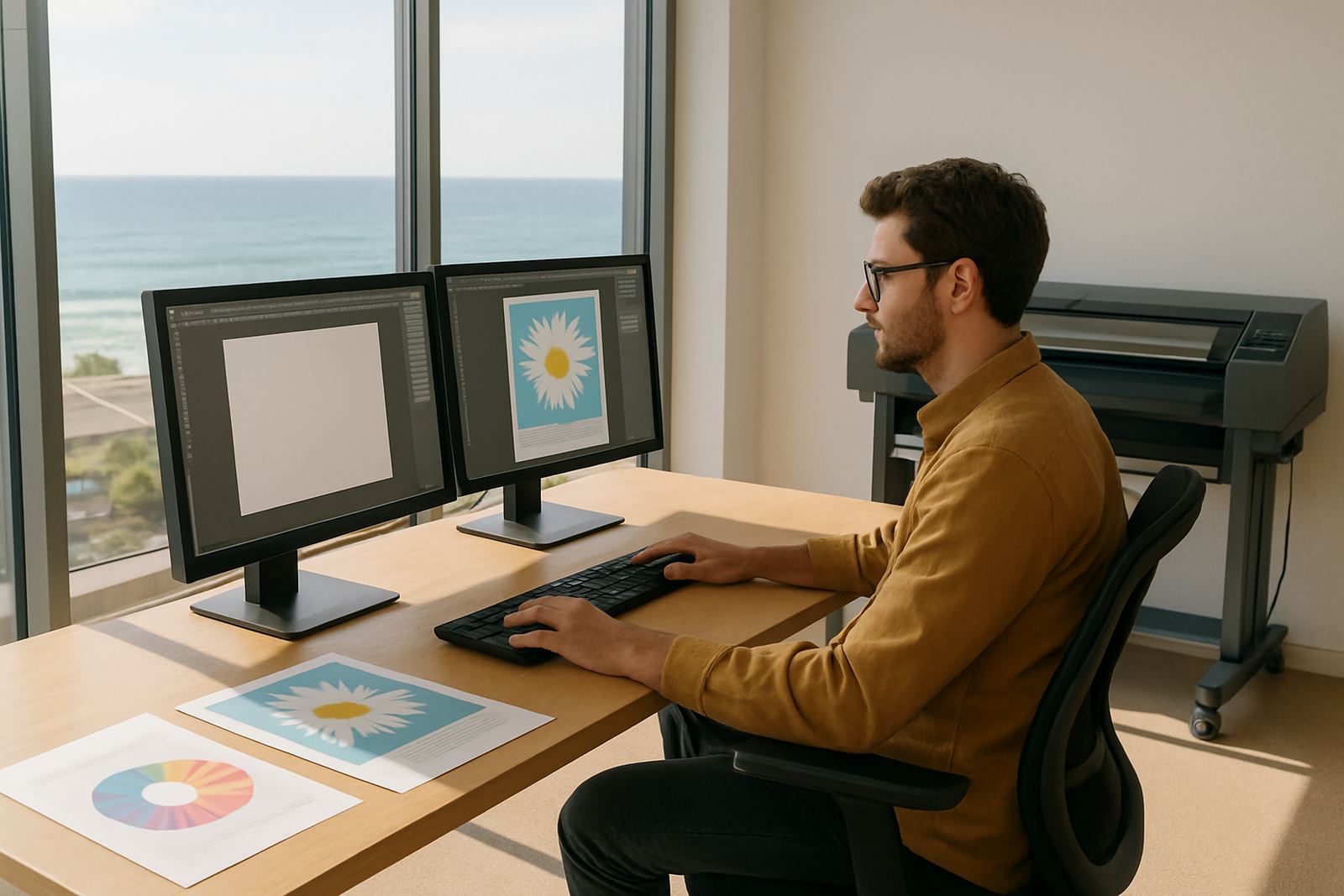
- Colour management and RIP queue optimising for cleaner output
Who each setup suits
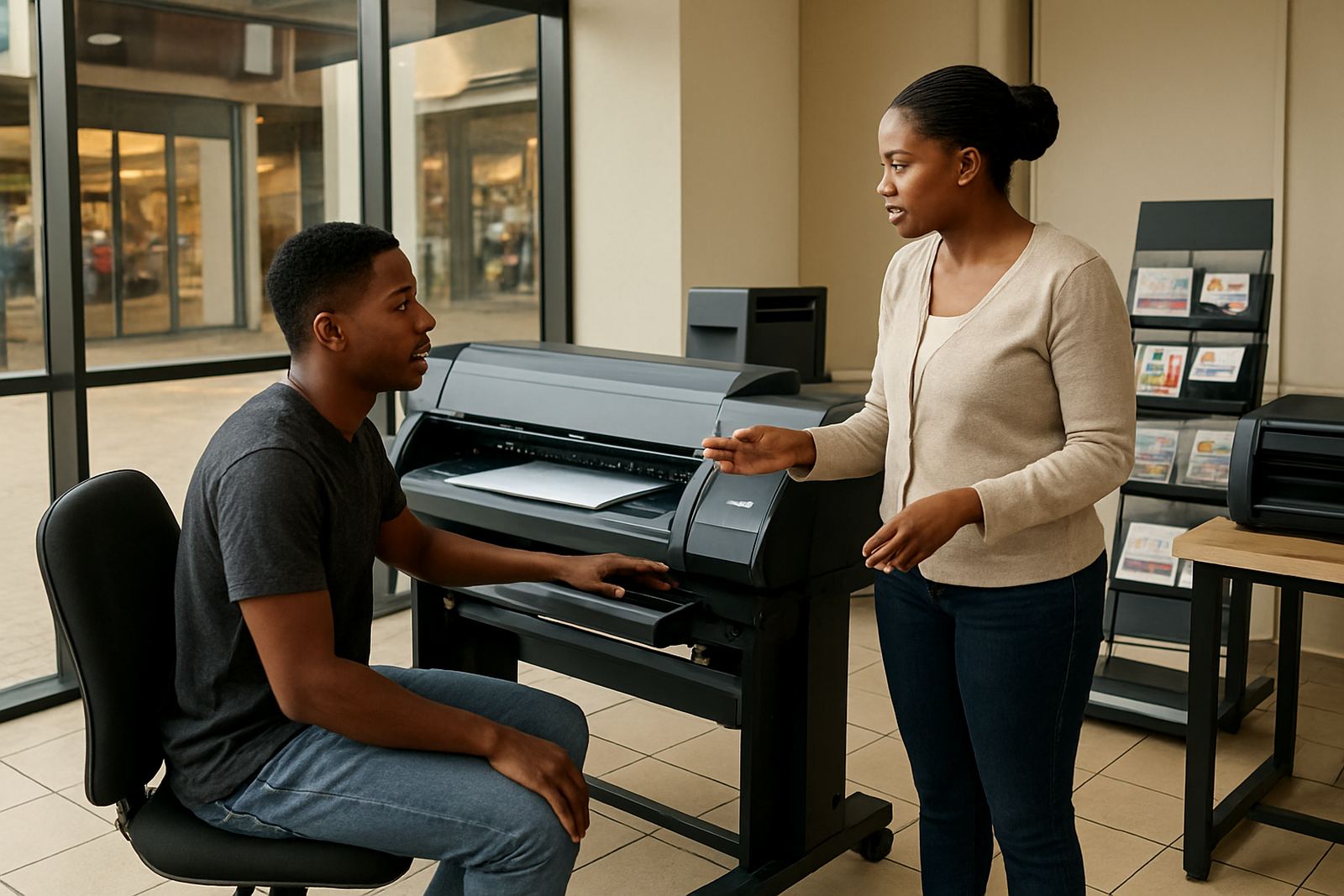
These project pages are useful if you are running a sign shop, handling in-house print production, or supporting staff who need a clearer process. They also help when the business has grown past the point where one person can keep everything in their head. If the cutters are waiting, the printer is backlogged, or the team is wasting vinyl on trial runs, the right setup page will usually look very familiar.
We keep the examples practical and local to the way South African shops actually work. That includes shop-floor training, annual support planning and upgrades timed around busy periods, school holidays or month-end pressure.
From Randburg base to national support
FlexiSIGN Studio is based in Randburg and supports clients nationwide, with training and installation work handled by Mandla Jacob Maseko and the team. Depending on the job, we may arrange Randburg class training, Johannesburg support, Pretoria training, Durban support, Cape Town training, Gqeberha support, Midrand visits or Centurion training. The page you choose should match your location, your output, and how hands-on you want the support to be.
If you need help choosing the right path, send an enquiry through the contact page and describe your setup in plain terms. Mention the machines you use, how many people work on them, and what is going wrong. That gives us a clear picture before the first call or visit.