Why sheet layout decides whether a job pays
Many shops price sticker sheets by size and print area, then assume the rest will sort itself out. In practice, layout efficiency changes the real cost of every job. A sheet that leaves too much open space uses more vinyl, more laminate and more cutting time, while still producing the same number of decals. That extra waste shows up quietly in the month-end figures.
For a small sign shop in Randburg or a busy print room in Durban, the margin on sticker sheets is often won or lost in the planning stage. If your design software lets you nest shapes tightly, keep spacing consistent and reduce unnecessary rotation, you can get more sellable pieces from the same material. That matters even more when material prices rise or when you are cutting short runs for schools, estates and spaza shop labels.
The real goal is not to squeeze every millimetre at any cost. It is to keep the balance between speed, clean cutting and usable offcut. A layout that saves 8% on vinyl but doubles weeding time may not be worth it. The best setup gives you more finished stickers per sheet without making the operator fight the job.
The hidden costs hiding inside every offcut
Offcuts are easy to ignore because they do not appear as a separate line on the invoice. But they affect your stock holding, your cutting time and your next reorder. If you regularly leave large gaps between decals, you are paying for material that never turns into revenue. In a shop that does hundreds of small sticker jobs a month, that can add up to a full roll or more over time.
There is also the labour side. Poor layout means more manual placement, more checking, and more time spent sorting which pieces can still be used later. If your team works with vinyl cutters across different workstations, that wasted time becomes even harder to see. One operator may be waiting for another to finish nesting or re-exporting a file, and the queue starts building up.
- More waste per sheet means lower gross margin.
- More manual checking means slower turnaround.
- More rework means more missed production slots.
- More scrap means more stock pressure, especially in high humidity coastal areas where storage conditions matter.
In South African conditions, storage is not a small detail. Coastal humidity in places like Gqeberha and Durban can affect how neatly material feeds and releases, while heat and dust in inland shops can make poor handling even worse. Good layout helps reduce the need for repeated handling, which protects both the material and the deadline.
A simple Johannesburg example that changes the numbers
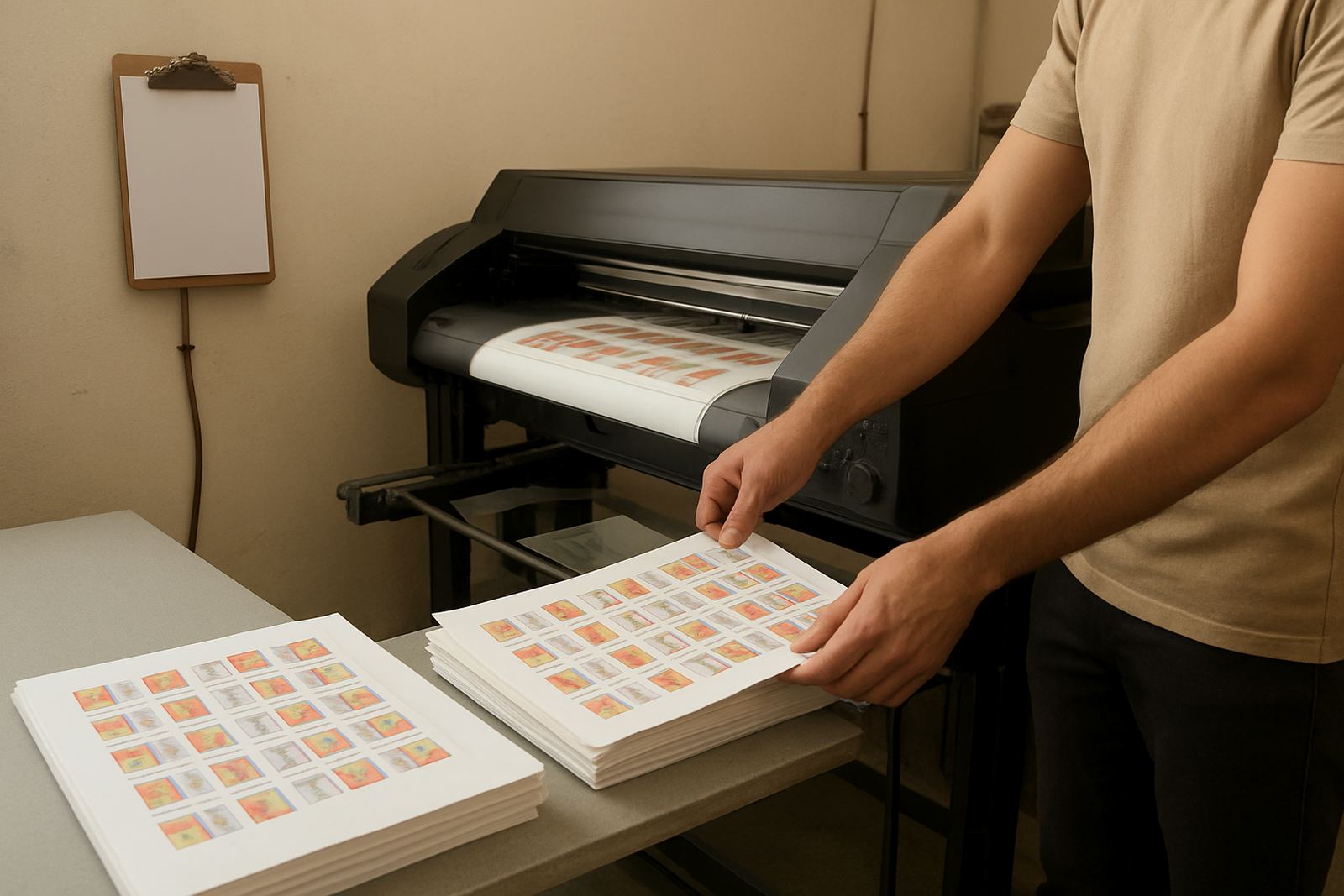
Take a small run of 500 round stickers for a Johannesburg promotion. The shop has one standard sheet size and a cutter that can handle the job in batches. If the artwork is placed without considering spacing, the operator may get only 48 usable stickers from a sheet. With tighter nesting and sensible rotation, the same sheet might yield 56 or 60 pieces. That is not a small difference when the order repeats every month.
Now add the practical side. Fewer sheets mean fewer print passes, fewer cutter passes and less time spent weeding tiny gaps around the edges. If the customer wants a rush turnaround before weekend trading, the faster layout can be the difference between keeping the job in-house or sending it out at a lower margin just to meet the deadline.
We see this often with sign shops serving retail parks, schools and municipal suppliers. The artwork is ready, the cutters are working, but the layout was never set up for the sheet size on hand. Once the file is adjusted properly, the same material suddenly produces more sellable product and the price per sticker comes down without cutting corners.
What to check before you send a sheet to print and cut
Good profitability starts before the first pass. A few checks in your RIP and design workflow can protect your margin and avoid avoidable waste. This is where training matters, because many shops rely on habit rather than a repeatable process.
- Match artwork size to the actual sheet or roll width, not the rough idea of it.
- Use consistent spacing so the cutter can track cleanly and weed easily.
- Rotate shapes where it improves nesting, but avoid layouts that make alignment confusing.
- Group similar jobs together to reduce setup changes.
- Check registration marks and queue settings so the cutter does not waste material on failed reads.
- Review colour setup so you do not reprint sheets because of a simple profile or output mistake.
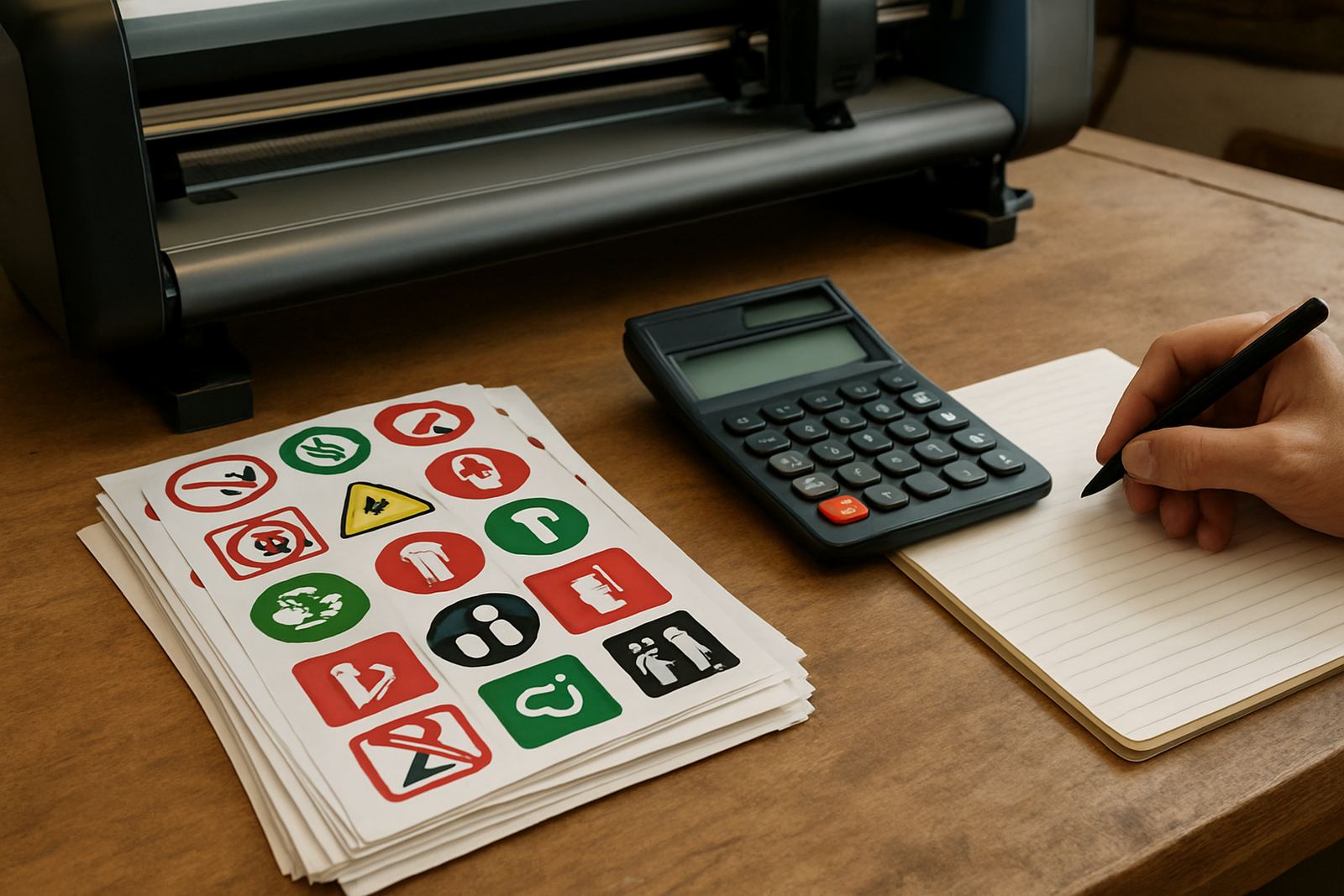
These checks are especially useful for shops that do mixed work. One hour you are producing promotional stickers, the next you are handling warning labels, then a small run of menu stickers for a restaurant in Centurion. If your workflow is stable, you can switch between jobs without losing time on reconfiguration.
Why RIP settings matter as much as artwork placement
Sticker sheet profitability is not only about how the design sits on the page. RIP settings influence how much ink is laid down, how the cutter reads the job and how many failures you get during production. If queue settings are too loose, nested files can shift, overprint or slow down the machine. If colour management is off, you may waste sheets on test prints trying to match a repeat order.
A well set RIP queue keeps the production path predictable. It helps with print order, cut order and drying time, which is useful when load-shedding interrupts the day and you need to resume work without starting from scratch. In busy print rooms, that kind of control can protect both turnaround time and the customer relationship.
For shops handling multiple operators, a standard RIP setup also keeps results more consistent. That means the person preparing the job in Pretoria can follow the same process as the team in Cape Town or Midrand. Consistency matters because sticker work is often repeat business, and repeat business depends on the second order looking like the first one.
Keeping sticker work profitable as the shop grows
As a business grows, sticker sheet work can become either a tidy profit stream or a constant drain. The difference comes down to process. Shops that review layout efficiency, cutter setup and queue performance usually hold their margins better than shops that rely on quick fixes. That review does not have to be complicated. It can start with one question after every batch: how many more sellable pieces could this sheet have given me?
It is also worth planning for staff changes. New staff induction should cover sheet layout, RIP queues and cutter handling, not just how to open a file. If the team understands why spacing, nesting and output settings matter, they will make better decisions when the order book is full and the pressure is on.
For South African sign makers, the lesson is simple. Sticker sheets are not just a small job. They are a test of how well your workflow turns vinyl, ink and machine time into actual profit. Get the layout right and the whole operation becomes easier to run, from Randburg to Gqeberha.