

Start with one version of the brief, not three different chats
Most approval mistakes start before the artwork is even opened. A client sends a WhatsApp message, a sales rep adds a note, and the studio works from an old PDF that nobody has checked. By the time the job reaches print, the headline spelling, sizing or material choice has changed twice. That is when costly reprints happen.
For signage work, the approval stage should lock down the exact scope. Confirm the size in metres or millimetres, the final wording, the mounting method, the material, and whether the file is for a cutter, printer or both. If the client wants a full-colour fascia sign for a retail unit in Fourways or a set of frosted office graphics in Rosebank, the approval should show exactly what will be produced, not a loose concept.
It also helps to keep one job reference number from quote to delivery. That makes it easier to track changes, especially when a client has three branches and different people approving artwork from Johannesburg and Pretoria.
Use proofs that show what the client is really approving
A proof should do more than show the artwork on a white page. It must show scale, placement, colour notes and any finishing detail that matters. If the job includes contour cutting, overlamination, perforated film or white ink on clear media, the proof should make that clear. A client cannot approve what they cannot see.
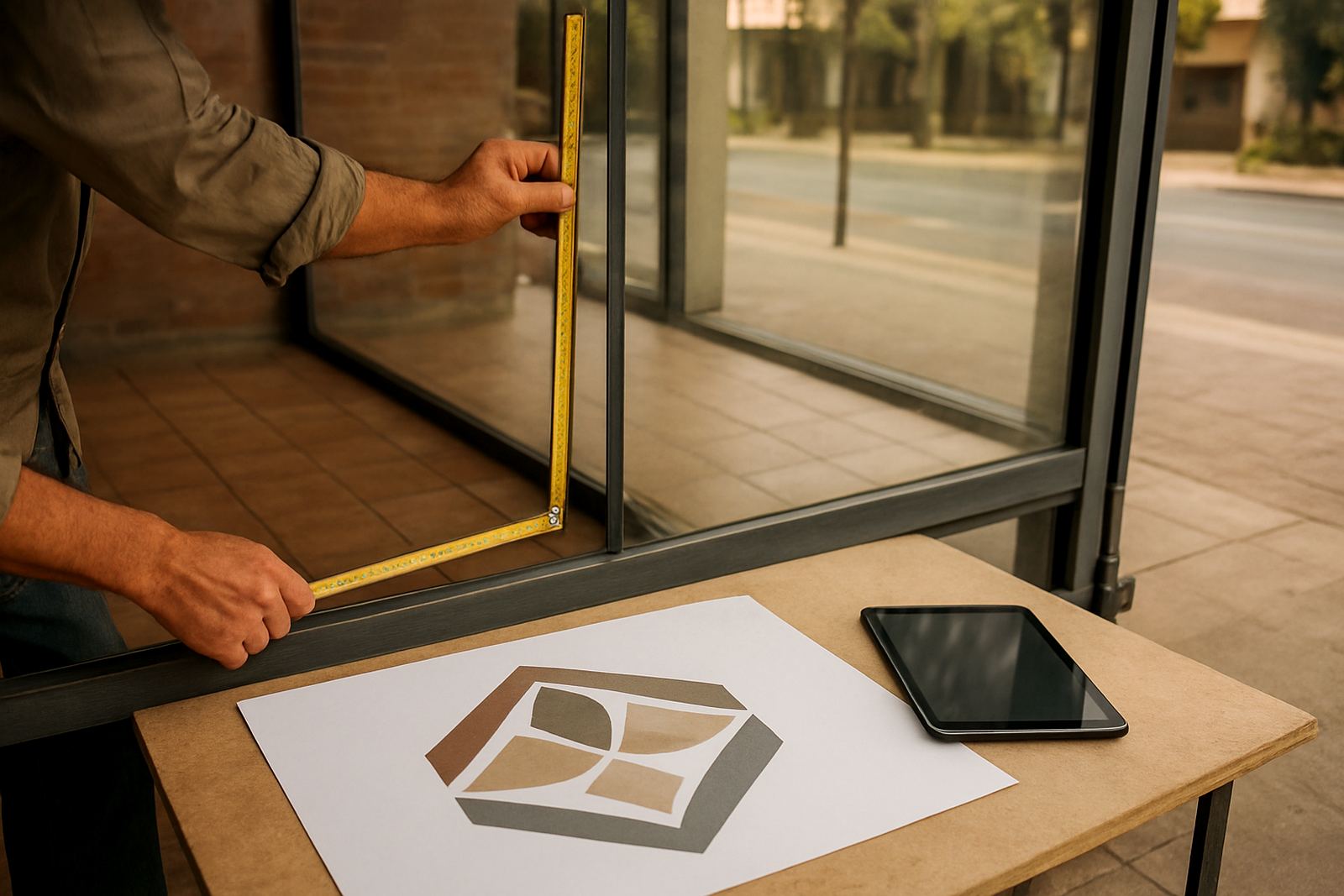
For layout-critical work, include a simple visual that is close to the final output. Mark crop lines, bleed and safe areas. If the final piece will be viewed from 20 metres away on a building pylon in Midrand, say so. If it is a retail window graphic that must fit around existing door handles, include a photo with measurements on it.
- Show the final size, not only the artwork ratio
- Label colours by reference and practical finish, such as gloss vinyl, matt print or clear adhesive
- Note any text that was supplied by the client and copied exactly
- Show special instructions for cutters, layers or panel joins
A proper proof reduces the
Build colour approval around real output conditions
Colour approval is one of the biggest trouble spots in South African print shops because light conditions vary so much. A colour that looks fine under office lighting can shift under daylight, warm LEDs or the bright sun outside a shopfront in Cape Town. Coastal humidity, older substrates and different print stocks can also change the final result.
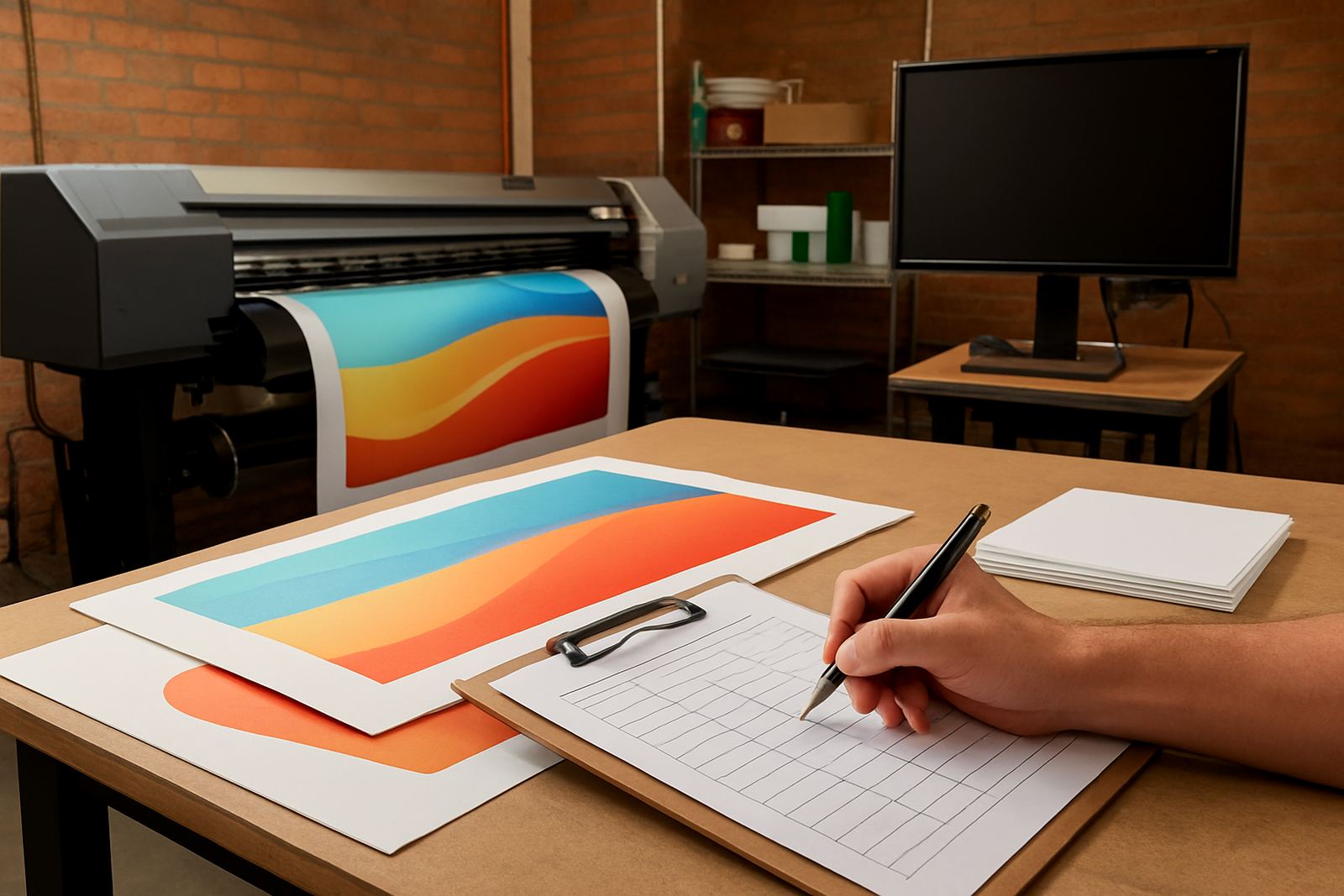
That is why a colour workflow should be part of the approval process, not an afterthought. If the job is a branded wall graphic, fleet panel or high-value retail print, check the colour on the same material and the same RIP settings that will be used for production. Where possible, keep a small reference sample from a previously approved job so the client can compare against something physical.
- Approve colour on the final substrate where possible
- Use the same viewing light each time
- Record whether the job was approved for screen view, printed sample or final output
- Note any acceptable variation, especially on large solid areas and skin tones
For repeat work, a dated approval record helps when the same corporate client orders more units later from Durban, Gqeberha or Sandton. It removes guesswork and keeps everyone on the same page.
Catch cutter and RIP issues before they become waste
Many reprints are not caused by bad design, they are caused by file handling. A line can look fine on screen but send the cutter the wrong path. A raster image can be too soft for a close-view sign. Overlaps, hidden layers and incorrect spot colour names can also create trouble once the file enters the RIP queue.
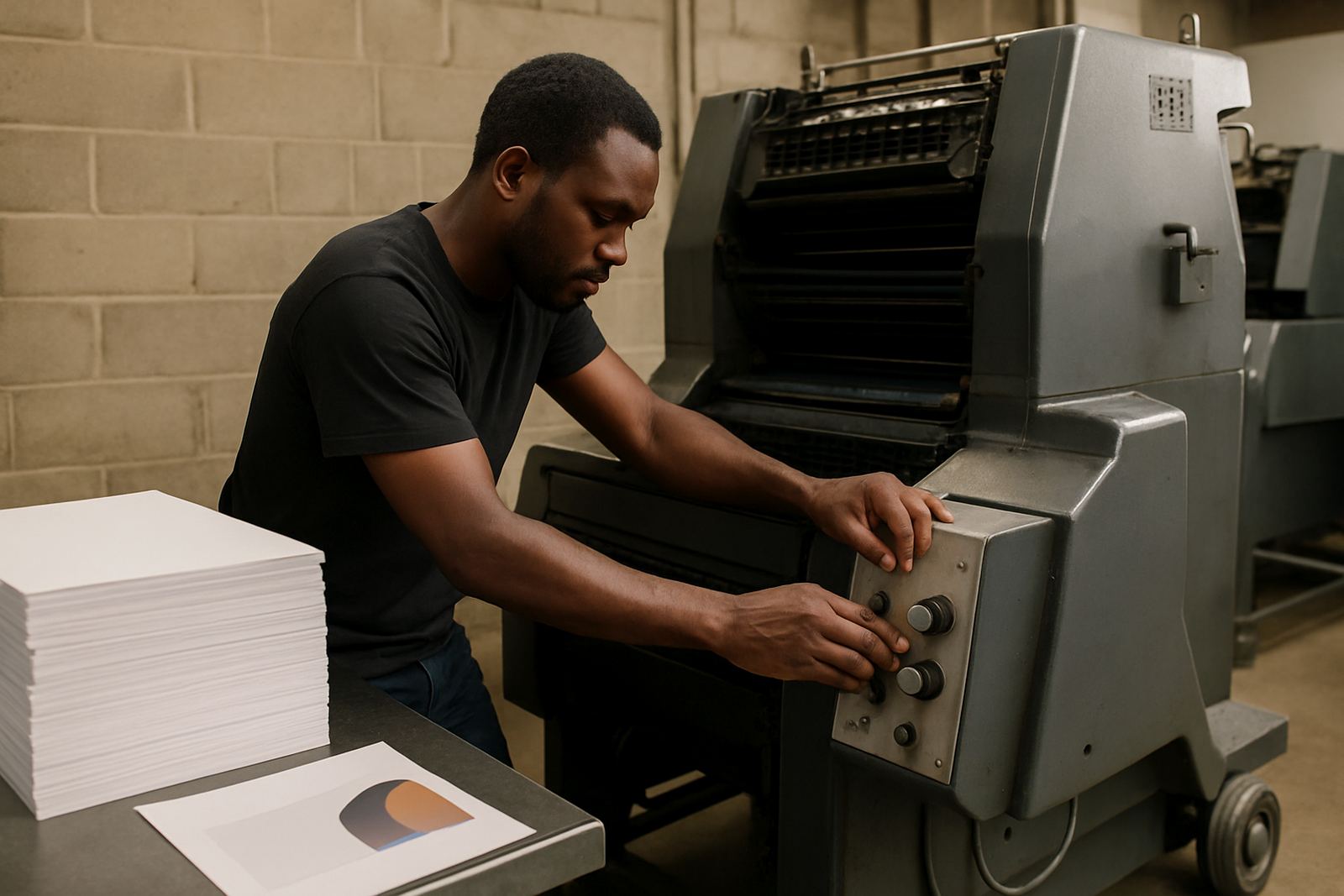
This is where approvals should include a production check. Before sign-off, confirm that the artwork matches the output method. If it is going to a vinyl cutter, the cut paths must be clean and the stroke settings correct. If it is going to print, the resolution, bleed and nesting need to suit the job size and material width. On busy weeks, one bad queue setting can waste metres of media and an hour or two of machine time.
- Check that outlines and cut paths are visible and separated from print artwork
- Confirm fonts have been converted or packaged correctly
- Verify image resolution for the final viewing distance
- Make sure the file name and job reference match the quote and proof
Protect the sign shop when the client changes the artwork late
Late changes are normal, but they must be controlled. A client might ask for a different phone number, a new logo lock-up or one more branch listed on the sign. If the change is not documented, the production team can easily print the wrong version and only notice it after installation has started. That is expensive and avoidable.
Use a simple rule: any change after approval means a new proof. Even if it is only one line of text, send the revised version back for sign-off. This is especially important on jobs with multiple units, such as site boards, directional signs and window vinyl for a new medical practice in Centurion or a franchise rollout in Durban.
A clear approval trail also helps when more than one person is involved. The marketing manager may approve the look, while the operations manager approves the site details. If both names are recorded, there is less room for dispute later.
A local example: one retail rollout, one avoided reprint
A Johannesburg sign shop once handled a small rollout for a retailer opening in Pretoria, with matching window graphics, internal direction signs and a printed promotional board. The first proof looked fine on screen, but the shop insisted on a physical approval for the main colour panel and a separate sign-off for the shopfront wording. Good thing too, because the client noticed that one branch name was still missing from the directional set.
Because the approval was caught before printing, the shop avoided a full reprint on the main graphics and only revised the affected items. That saved several metres of material, a second cutting pass and a wasted install booking. It also kept the opening schedule on track, which mattered more than anything else.
In practice, that is what better approvals do. They do not slow the business down, they stop small errors from turning into extra shifts, extra costs and awkward calls to the client.
Make approval part of the production routine, not a favour
The best sign shops treat approval as a standard step, just like artwork setup or cutter preparation. They keep the process short but strict. The client knows what to check, the studio knows what must be locked, and the production team knows when a job is safe to run. That is how you cut down reprints on colour-sensitive or layout-critical work.
If your team works across Randburg, Johannesburg, Pretoria, Cape Town, Durban or Gqeberha, the approval method should be the same everywhere. One process protects the brand, keeps the files clean and makes staff training easier. It also makes support simpler when someone new joins the team and needs to learn how jobs should move from proof to print.
Good approvals are not about making life difficult. They are about making sure the job that gets installed is the job that was agreed to, first time.
- Use the same approval steps for every branch and every client
- Keep one signed record of the final version
- Re-approve any change after the first sign-off
- Link the proof to the production file and job number