
What the Bellville team needed from the room
The client was a busy print and sign production team in Bellville handling decals for shop fronts, vehicle markings, appliance labels and short-run promotional work. Their production room was doing the job, but the process had become clumsy once the volume started climbing. Jobs were being nested by eye, cut paths needed too much checking, and the team was losing time on reprints when colour, outline and cut order did not line up properly.
The brief was practical. They wanted a faster way to prepare decal work, less scrap from vinyl sheets, and a repeatable setup that new staff could follow without guesswork. Because they were working with a mix of glossy vinyl, clear film and self-adhesive stock, they also needed output that stayed consistent on smaller runs where every centimetre counts.
- Contour-cut decals with reliable registration
- Cleaner nesting for sheet and roll stock
- Faster handover from design to cutter
- Simple workflow for new operators
Constraints on the floor and in the queue
The room had the usual South African production headaches: a compact floor area, a mix of older and newer equipment, load-shedding interruptions, and a team that could not afford long stoppages while learning a new process. The cutter was already in place, so the focus had to be on the software side and on tightening the way jobs were prepared before they reached the machine.
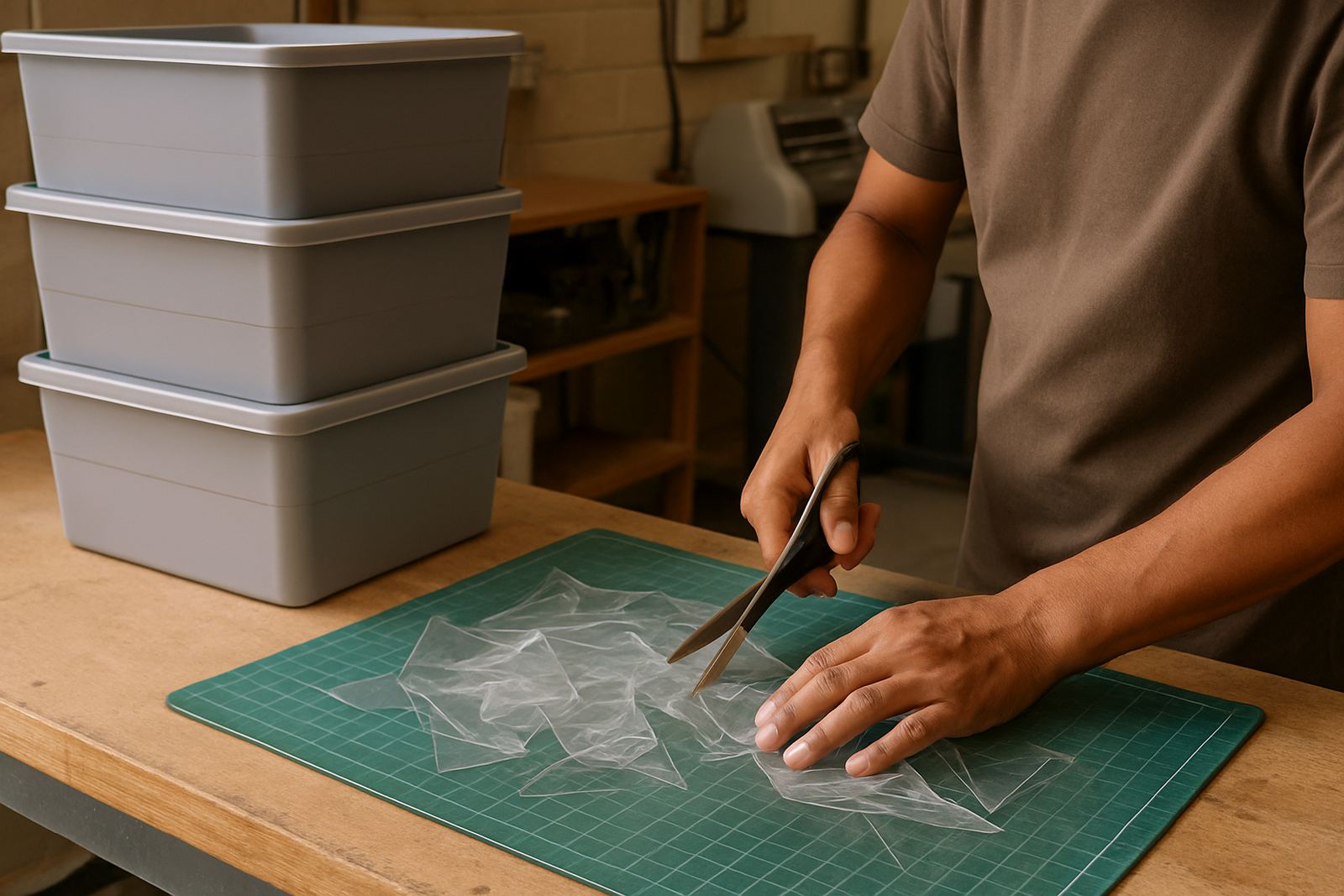
Another issue was material cost. Bellville jobs often come in with tight margins, and if a nest wastes even a few hundred millimetres on each sheet, the losses add up over a month. Coastal humidity also played its part, so the team needed settings that held registration well and reduced curling on certain materials. We kept the setup plain and practical, with clear file naming, fixed cut presets and a production order that was easy to repeat.
- Limited room for setup changes
- Need to keep production moving during training
- Variable materials and humidity on the Cape side
- Power cuts requiring save points and restart-safe steps
What we supplied and configured
We supplied sign-making design and RIP software setup, licence activation, cutter setup help and workflow guidance tailored to decal production. The installation was completed with the team in mind, so the menus, presets and queue settings were arranged around the jobs they run most often rather than a generic template. We also set up material profiles for their most used stock sizes, which helped the operators move from design to cut with less checking at each step.
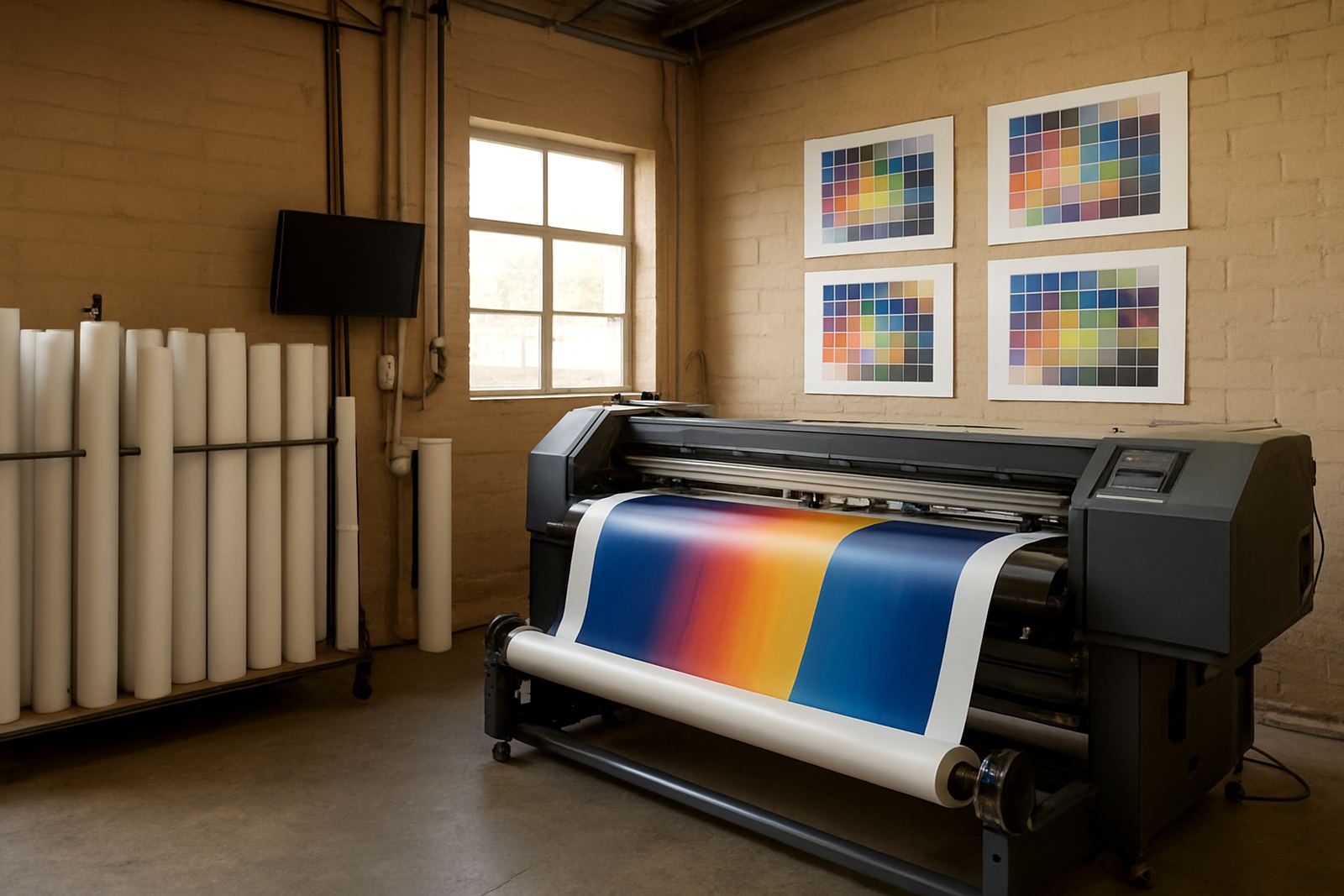
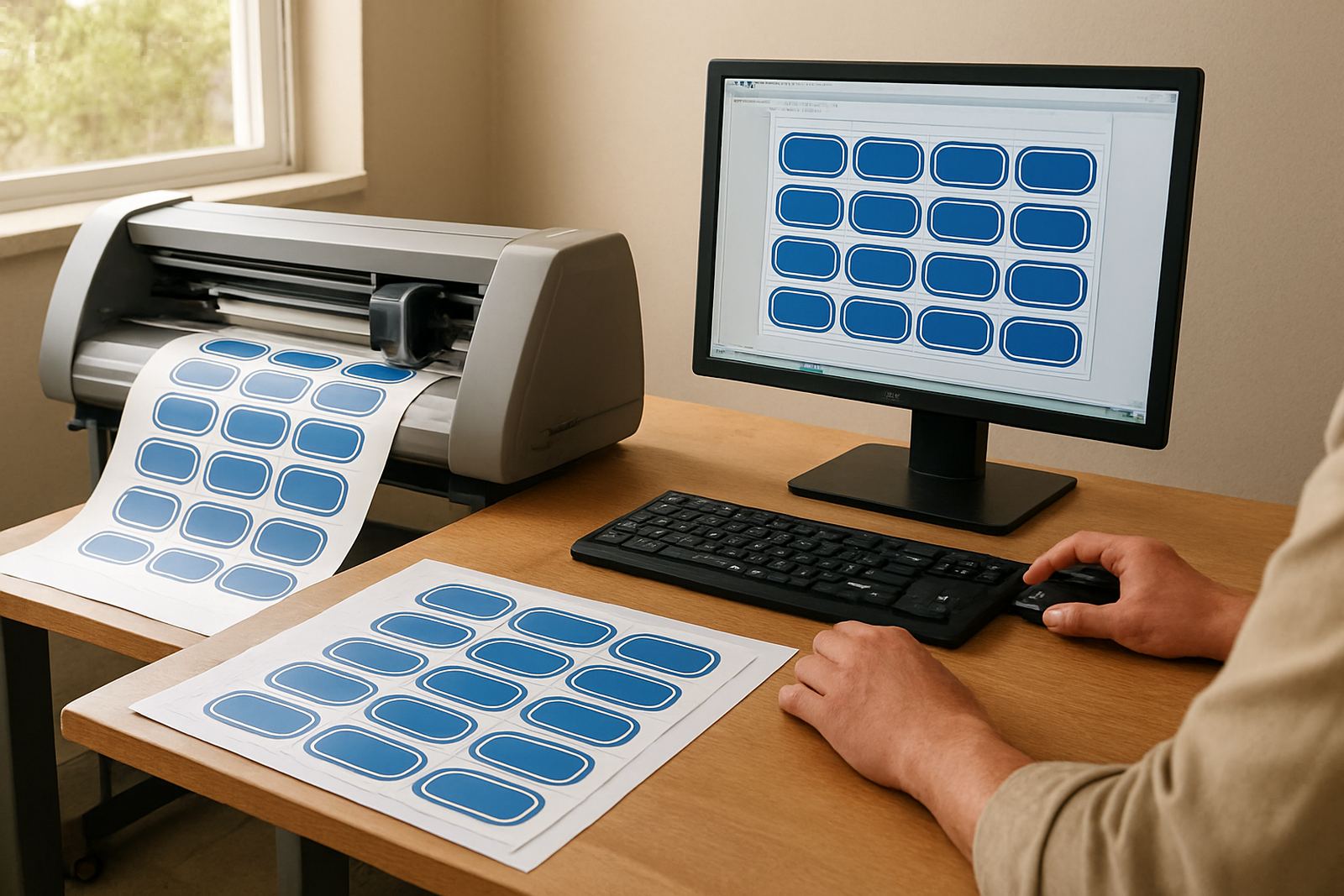
Key parts of the setup included contour workflow preparation, queue prioritising for urgent jobs, nesting controls for better sheet use and colour management steps for print-and-cut output. We also checked the cut path order, weed border width and registration behaviour on sample runs. The aim was to make the room faster without making it complicated. Mandla Jacob Maseko oversaw the project direction and Liezel Barnard handled the support follow-through after the main setup was complete.
- Software installation and licence activation
- Workflow setup for contour cutting and print-and-cut jobs
- RIP queue organising for urgent and standard work
- Colour management and cutter calibration support
Training the operators for everyday use
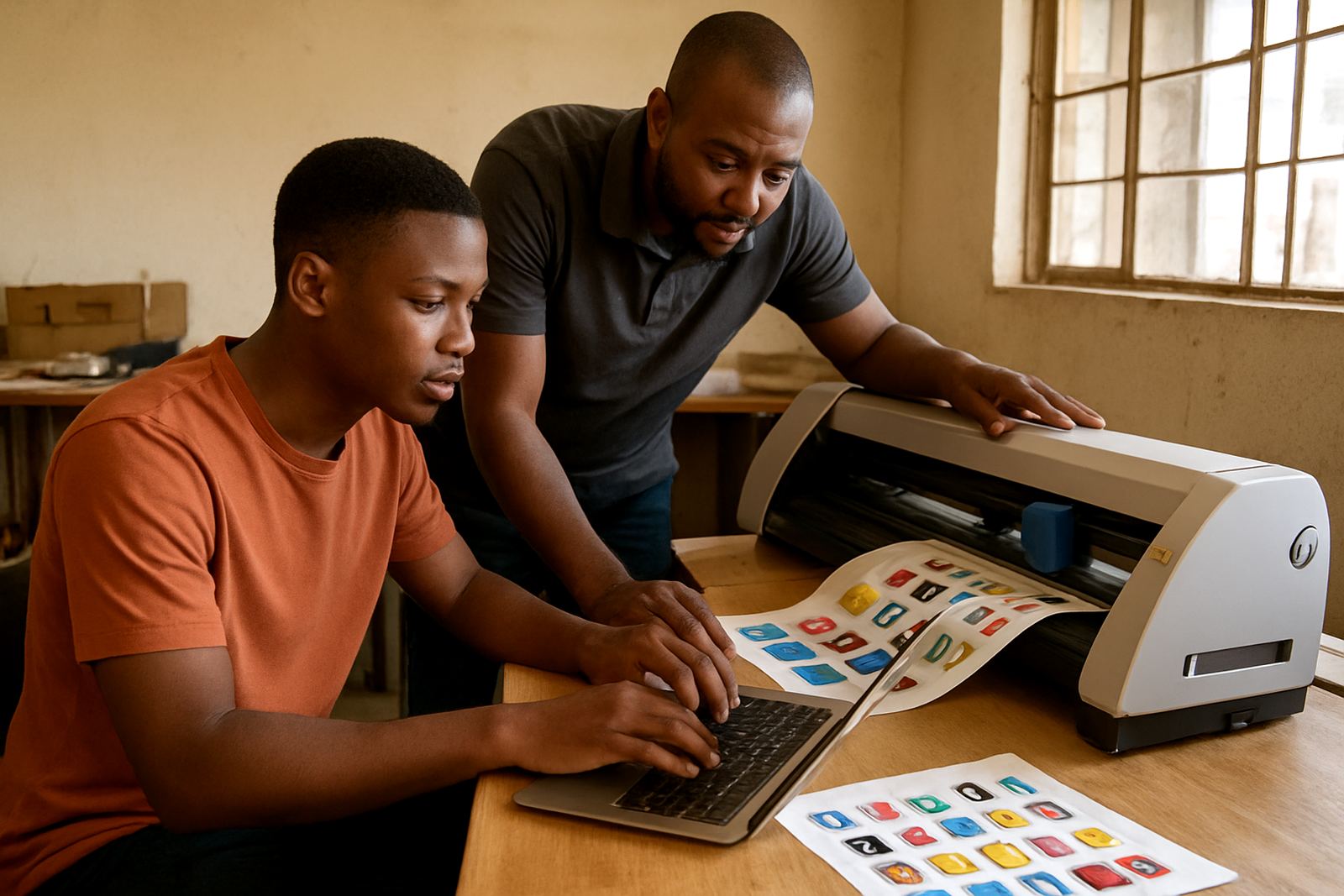
Training took place in stages over two weeks so the team could work between sessions and bring real jobs to test the process. Sifiso Mabena led the training plan, with Luthando Mlambo handling the cutter side and Lungile Ndlovu assisting on colour workflow questions. We covered the full path from artwork prep to nesting, output and weeded finish, then repeated the same steps on different file types until the team could run them without prompts.
We also used live production examples, because that is where the problems usually show up. Small text on decals, white underlay alignment, multiple copy nesting and mixed-size runs all got tested. The team was shown how to spot bad transparency, missing cut lines and over-complicated artwork before the job reaches the queue. After that, a few staff members were trained to handle new job setup while the rest could focus on finishing and dispatch.
- New staff induction on basic file prep and queue use
- Onsite training for decal production steps
- Remote support for follow-up questions after hours
- Practical checks for registration and weedability
Results after the first production cycle
Within the first production cycle, the room was already working with less scrap and fewer interruptions. The nesting improvements gave them better yield on common sheet sizes, and the contour-cut workflow reduced time spent correcting jobs before output. We also saw better consistency on repeat orders, which matters when a customer asks for the same decal set a week later and expects the finish to match.
On the numbers side, the team reported cleaner use of stock, fewer re-cuts on small label jobs and quicker setup on repeat files. The biggest gain was not only speed but control. Operators had a clearer view of what was happening in the queue, so urgent Bellville work could be pushed through without disturbing the rest of the day. The room felt calmer and more organised, and that showed in the turnaround time.
- Less vinyl waste through improved nesting
- Fewer setup errors on contour-cut jobs
- Quicker repeat production for common decal sizes
- Better control of urgent jobs in the queue
What we would repeat on the next decal room
If we were doing the same type of project again, we would repeat the staged rollout and the sample-driven training. That approach works because it keeps the team in production while the new process is introduced. We would also start with a small set of repeat jobs first, then add more material profiles once the operators are comfortable. In a busy room, it is better to lock down the basics before adding extra options.
For a Bellville decal room, the best results come from three things working together: sensible software settings, cutter alignment that stays reliable, and operators who know how to spot a bad file early. That combination saves time, reduces waste and makes the room easier to run under pressure. It is a straightforward way to improve output without changing the whole business.
- Start with the most common decal sizes first
- Set fixed profiles for top-selling materials
- Train one or two champions before opening it to the full team
- Keep a simple restart procedure for load-shedding days
Key facts
| Project | Bellville Decal Room |
|---|---|
| Location | Bellville, Cape Town |
| Timeline | 2 weeks |
| Core workflow | Contour cutting, nesting and RIP queue control |
| Main focus | Material saving and faster decal turnaround |
| Services used | Software installation, training, cutter setup help and colour management |