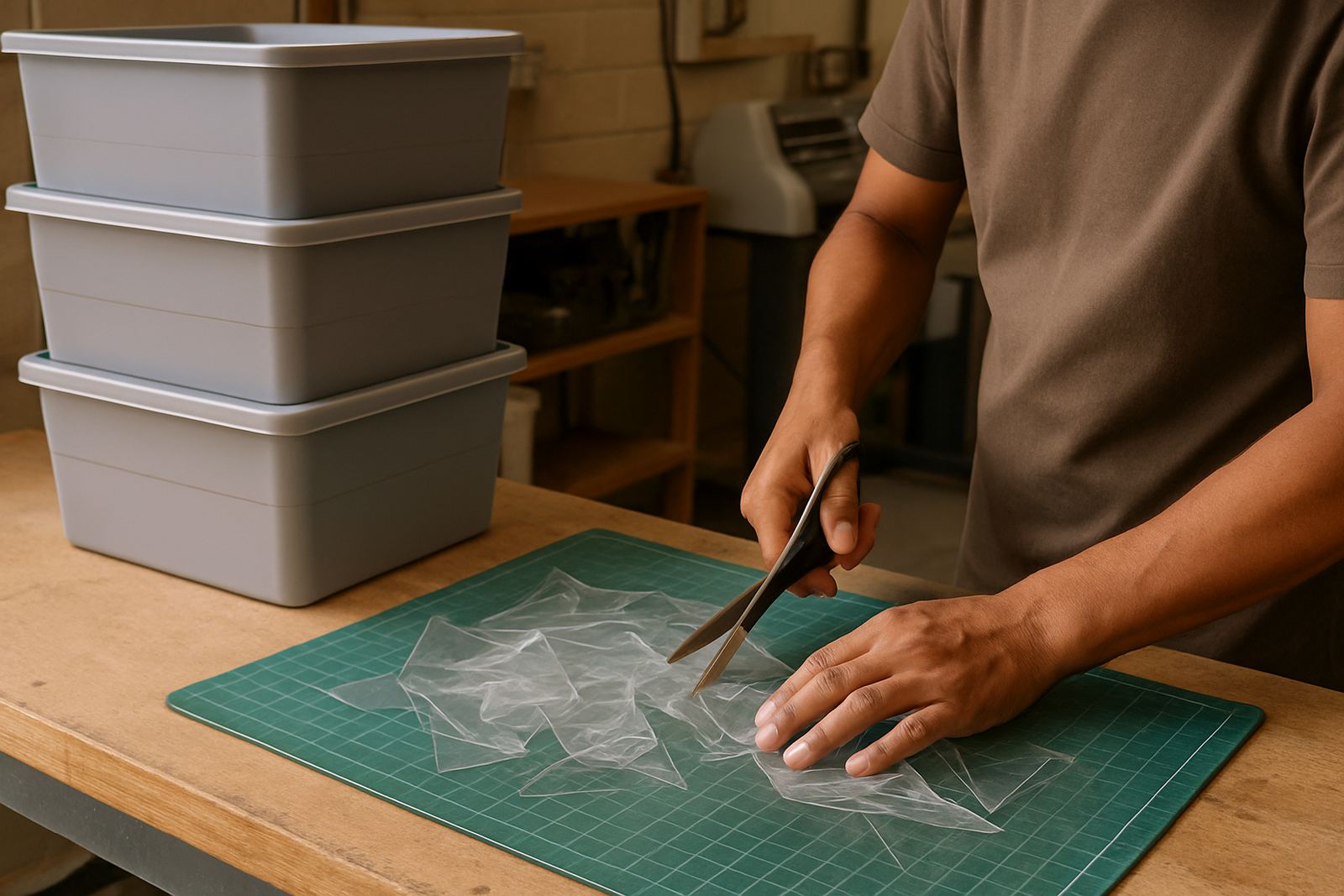
Roodepoort shop brief and what was holding the line up
The client was a busy vinyl studio in Roodepoort handling short-run lettering, window decals, wall graphics and basic storefront signage for local shops, schools and property managers. Their day was built around repeat jobs, last-minute changes and same-day collections, so any delay in file prep or cutter setup quickly became a headache.
The brief was clear. They wanted a faster route from artwork to cutter, better control over output sizes, and a more predictable RIP setup for print and cut work. Their team also needed a simpler way to train new staff, because the owner was spending too much time fixing files instead of running the floor.
- Location: Roodepoort, Gauteng
- Job mix: lettering, decals, storefront vinyl and small print jobs
- Main issue: slow handover between design, RIP and cutting
- Need: repeatable setup for daily production and new staff induction
Site constraints, machines and daily production pressure
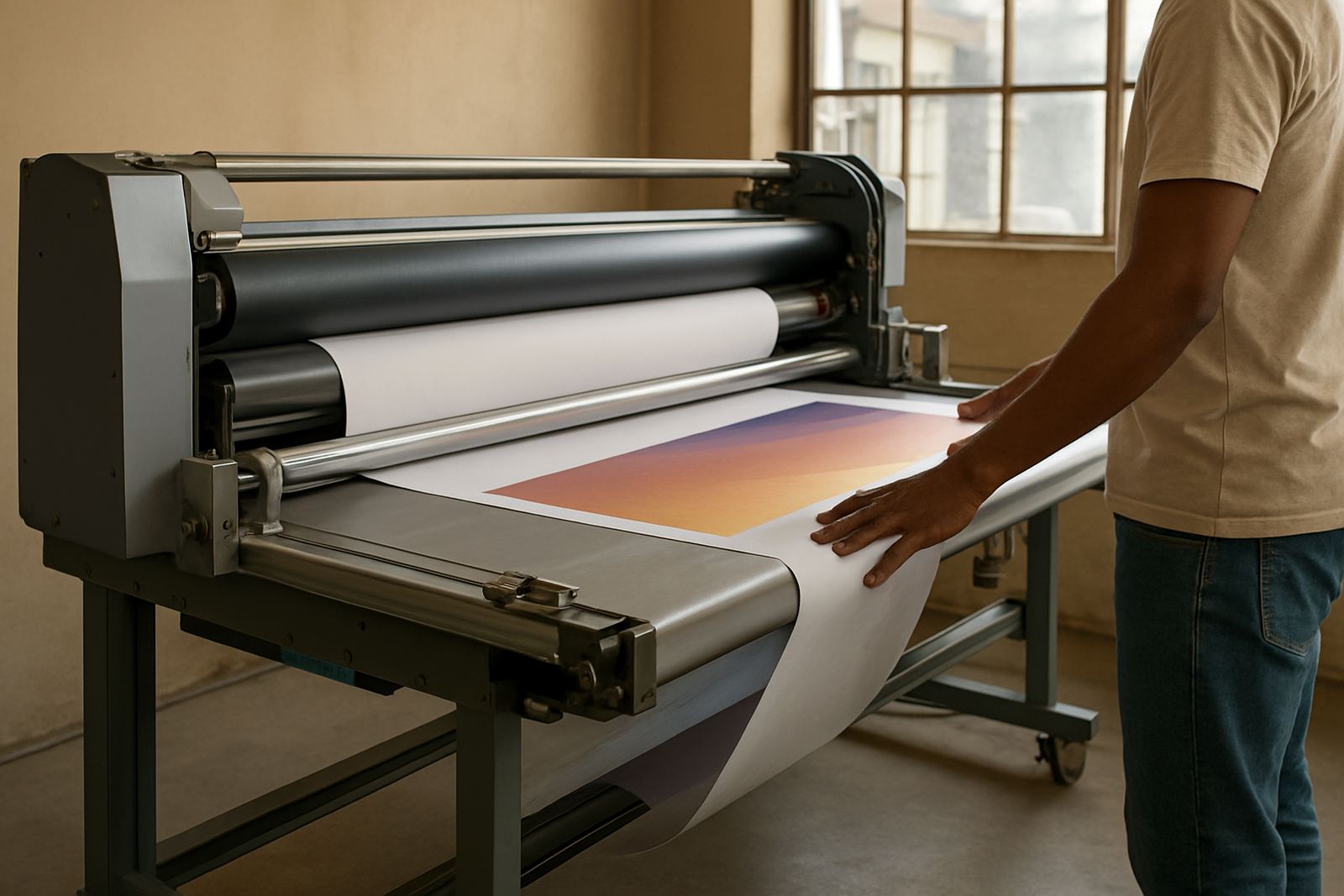
The shop had limited floor space, one main production station and a cutter that was used all day, often with small jobs stacked one after another. In winter the indoor air was dry and static started affecting vinyl handling, while summer humidity made some media behave differently, especially on busy days when doors stayed open for deliveries. They also had to work around load-shedding, so the process had to hold up when power returned and queues were waiting.
Another issue was consistency. The same job could pass through three hands before it reached the cutter, and each person had a different habit for bleed, nesting, knife offset checks and colour handling. That meant wasted media, the odd mis-cut and plenty of rework. The owner wanted one clear workflow, not five different ones. Fair enough.
- Space: compact production area with one primary workstation
- Equipment focus: vinyl cutter, RIP station and print ready files
- Local conditions: dust, humidity swings and load-shedding recovery
- Priority: keep production moving with fewer operator decisions
What we supplied and how the workflow was set up
We supplied software installation, licence activation, workflow setup and cutter setup help, then mapped the process from incoming artwork to finished output. Luthando handled the installation side, while Nadia worked through the sales and licence detail with the client. Liezel stayed on support during the early run-in period, and Lungile assisted with colour management so the print side matched the cut side more closely.
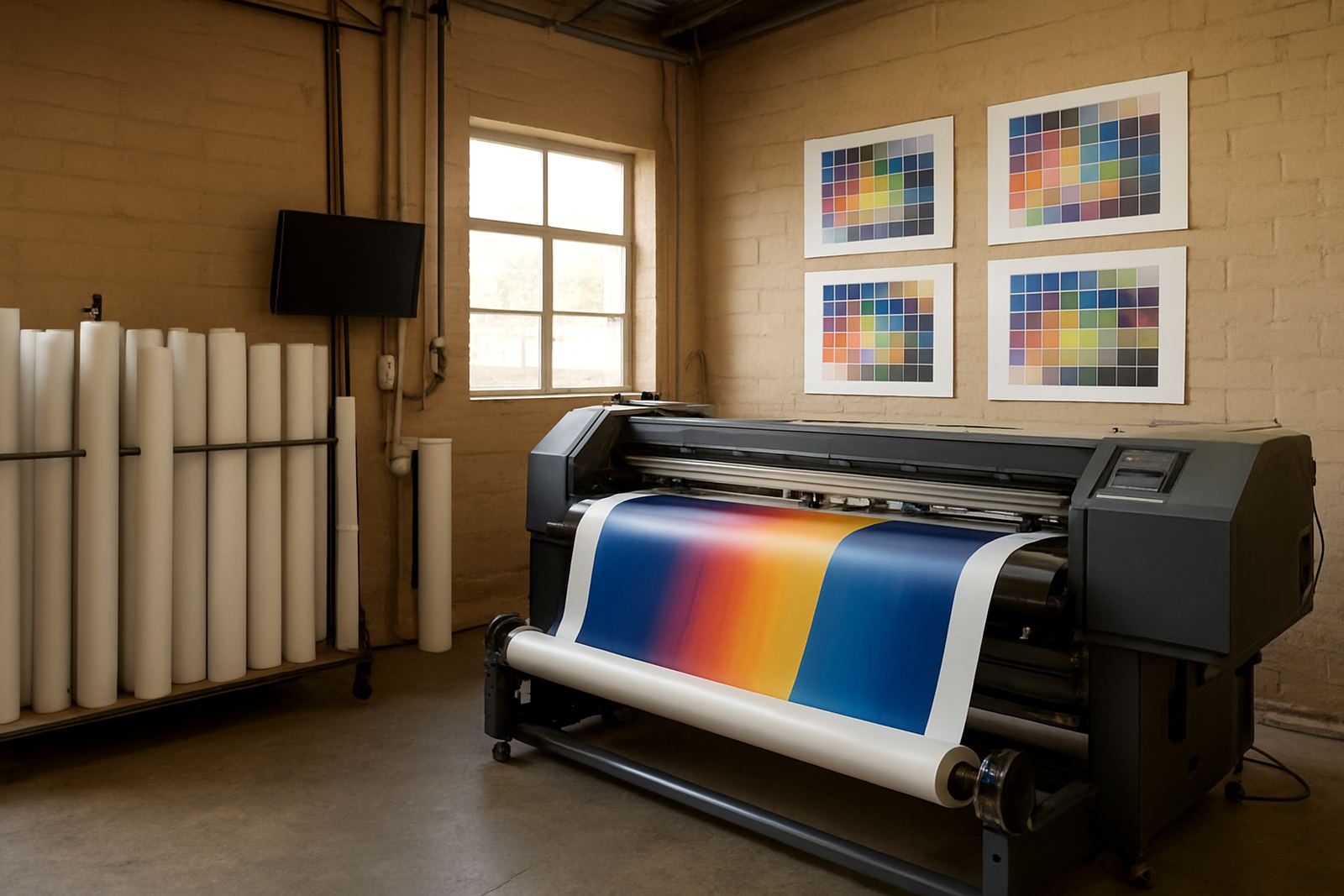
The setup included cleaner job naming, preset cut paths, a tighter RIP queue structure and practical colour workflow rules for common materials. We also planned the upgrade path so the studio would not be forced into a rushed change later. The key was to make the everyday jobs quicker, not to load the team with extra steps.
- Software installation and licence activation
- RIP queue organising for daily production batches
- Cutter setup help, including offset and test cuts
- Workflow setup for artwork handover and reprints
- Colour management rules for vinyl and printed media
Training for operators who need to move fast
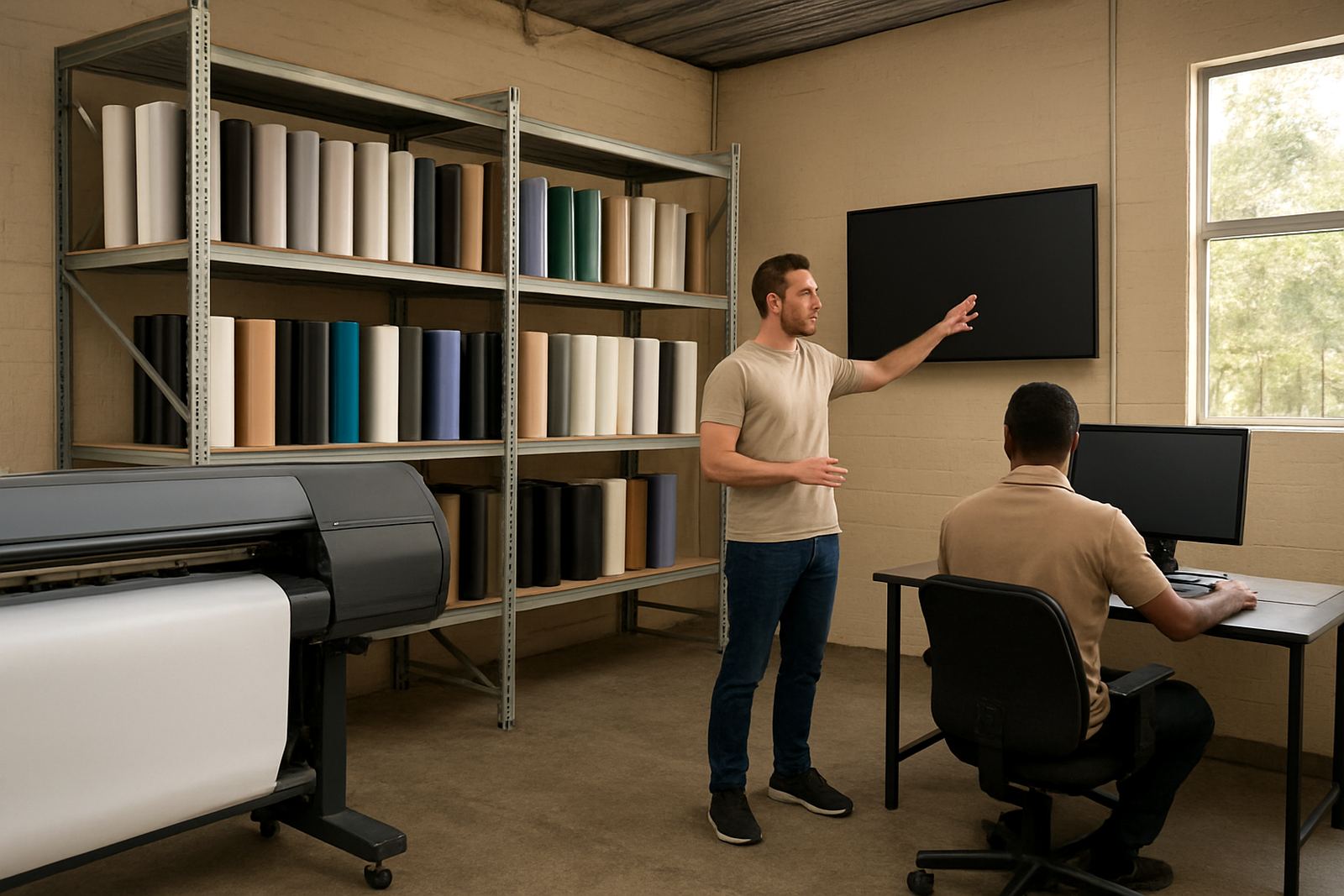
Training was done in practical blocks so the team could keep working between sessions. Sifiso ran the induction and showed the staff how to prepare files, check dimensions, confirm cut paths and avoid common queue mistakes. We kept it hands-on, because a busy vinyl shop does not need theory for the sake of it, it needs clear steps that can be repeated on a Monday morning when the phones are already going.
We covered the basics for new staff as well as the steps the owner wanted to standardise for seasoned operators. That included saving correct presets, checking overcut settings, handling a reprint when media was wasted and spotting a file issue before it hit the cutter. The team picked it up quickly once the process was simplified, and that made a visible difference in the first week.
- Randburg class training plus remote follow-up for the Roodepoort team
- New staff induction for file prep and cutter checks
- Annual support plan discussed for ongoing changes and upgrades
- Remote support used for post-install questions and small fixes
Timeline from first call to stable production
The full project ran over three weeks from the first review to a stable daily setup. Week one was the site assessment and workflow mapping. Week two covered installation, licence activation and cutter tuning. Week three was for training, queue testing and final support on live jobs. That pace suited the client because they could keep taking orders while the new process was put in place.
By the end of the third week, the operator team had a clear routine for common jobs and the owner was no longer having to stop production to check every file. The studio also had a better sense of which jobs should be batched, which could be cut straight away, and which needed a second check before output. Small change, big difference.
- Week 1: workflow review and job mapping
- Week 2: software installation, activation and cutter checks
- Week 3: operator training, live testing and support handover
Production results and what we would use again
The main result was a smoother handover between design, RIP and cutting. Jobs moved quicker, the queue was easier to manage and the staff made fewer small mistakes that used up vinyl. The owner reported that repeat signage jobs were simpler to process, and the team could take on rush orders with less stress when collections came in later than planned. We also reduced the need for constant supervision, which is exactly what a small shop needs when it is already flat out.
If we were doing the same project again, we would repeat the same approach: one clear workflow, practical cutter checks and training tied to the actual job mix. For a Roodepoort vinyl studio, that means no fancy extras, just dependable output for lettering, decals and storefront work. The setup now gives them a better base for growth, whether the next step is more print volume, another cutter or a second shift in busy months.
- Less wasted material on repeat jobs
- Faster file handover from artwork to cutter
- More confident staff after structured training
- Better control for everyday vinyl and print work
Key facts
| Client type | Vinyl studio handling daily lettering, decals and storefront work |
|---|---|
| Town | Roodepoort, Gauteng |
| Project timeline | 3 weeks |
| Services used | Software installation, licence activation, workflow setup, cutter setup help, training |
| Support model | Remote support plus onsite training options |
| Internal lead roles | Mandla Jacob Maseko, Nadia Blignaut, Luthando Mlambo, Sifiso Mabena, Liezel Barnard, Lungile Ndlovu |