Brief From a Pretoria Wrap Shop Handling Fleet Work
The client was a vehicle graphics and wrap workshop in Pretoria that handles private cars, light delivery vehicles and a steady stream of fleet branding for businesses around the city. Their team was already producing good work, but the process from artwork through to cutting and print setup was costing time, especially when jobs needed to be split into panels for complex body lines.
They wanted a clearer workflow for wrap design, faster RIP output, and a practical way to train new staff without stopping production. The brief also included better colour control for branded vinyl and print media, because the workshop was working in mixed conditions with air-con on some days and open bays on others, which can affect material handling and consistency.
- Client type: vehicle graphics and wrap workshop
- Town: Pretoria, with work running across Gauteng
- Core need: panel planning, RIP setup, and print-and-fit training
- Key output: fewer reprints and cleaner installation handover
Constraints On Site And Why The Workflow Needed Tightening
The workshop had a few real-world constraints. First, their production room had limited space, so software setup had to work on existing machines without slowing the rest of the office. Second, they often had to push jobs through around municipal and fleet handover deadlines, which meant the RIP queue needed to be organised for overnight output. Third, Pretoria heat and dust meant the team had to keep a close eye on media storage and on when prints were handled after output.
They also wanted a method that could be repeated by different operators. One senior installer knew the process well, but when he was away there were too many small differences in how jobs were measured, nested and sent to print. The goal was to reduce those gaps and make the output more predictable, not just for one installer but for the whole shop. That mattered because the team works on vans, hatchbacks and panel vans with different panel breaks and trim points.
- Limited space for setup and training on the production floor
- Need for predictable results across different operators
- Print jobs had to fit around overnight queueing and handover times
- Hot, dusty conditions meant careful media handling and storage
What The Pretoria Wrap Workshop Received And How FlexiSIGN Studio Was Configured
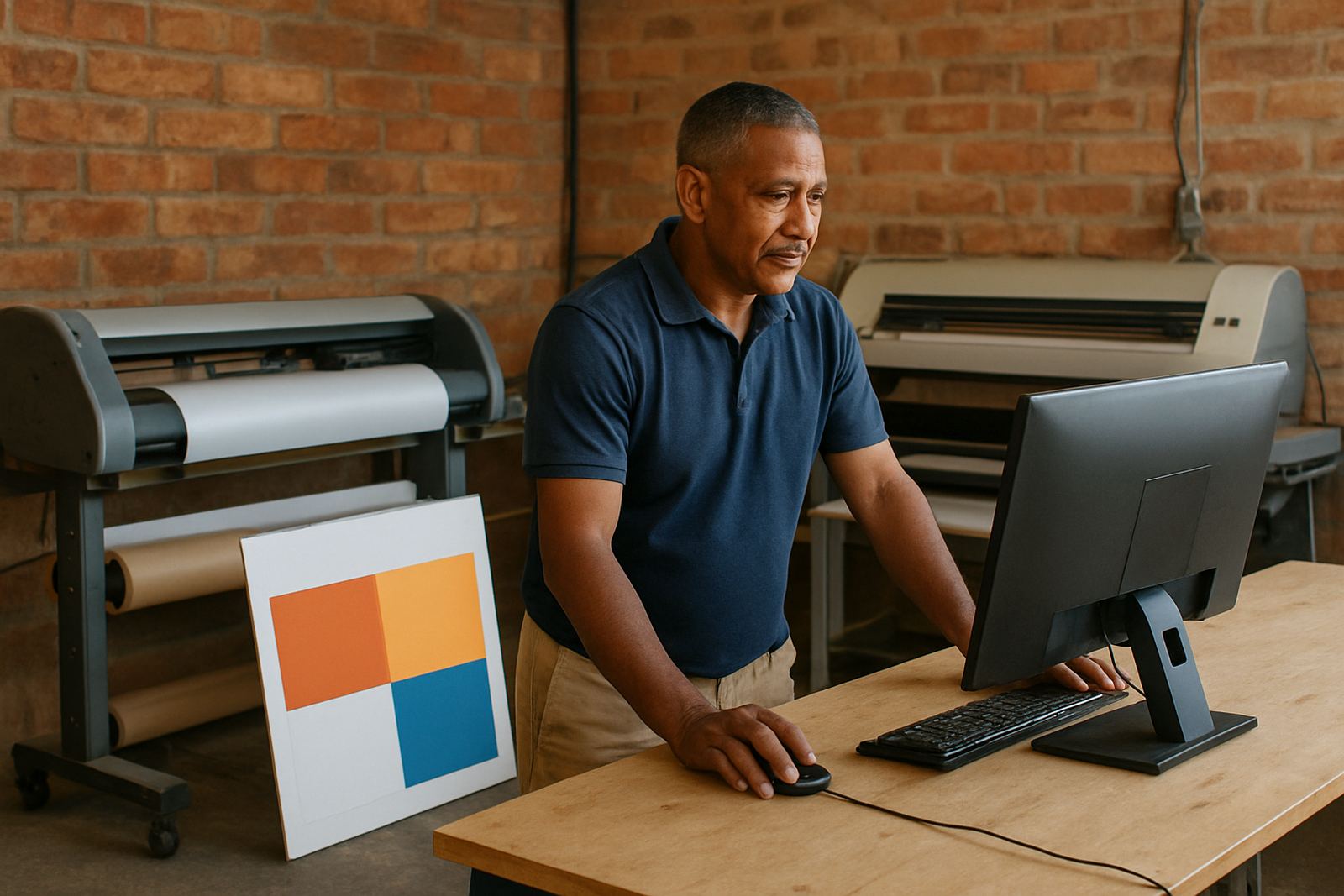
We supplied software installation, licence activation, workflow setup, colour management and cutter setup help. The sign-making design tools were installed and configured for vehicle wrap production, with panel planning templates prepared for the sort of vehicles they handle most often. We also tuned the RIP queue so large print jobs could be grouped sensibly, which helped avoid bottlenecks when a full fleet run came in at short notice.
Colour workflow was set up to give the team more control over reprints and matched output across different media types. We worked through the most common print settings, including resolution, scaling, bleed allowance and panel overlap. For the cutter side, we checked blade pressure, offset and tracking settings so contour-cut vinyl could be processed cleanly after print, without wasting material on failed cuts or drifting lines.
The final setup supported both wrap design and everyday production work. It also gave the team a consistent start point for new quotes, because panel counts and print estimates could be checked before material was committed. That is where the time saving came in, since less was being guessed on the fly and more was being measured properly.
- Software installation and licence activation on existing machines
- RIP queue organising for grouped overnight production
- Colour management for repeatable print output
- Cutter setup help for contour and panel work
Training On Panel Planning, Print-And-Fit And Staff Handover
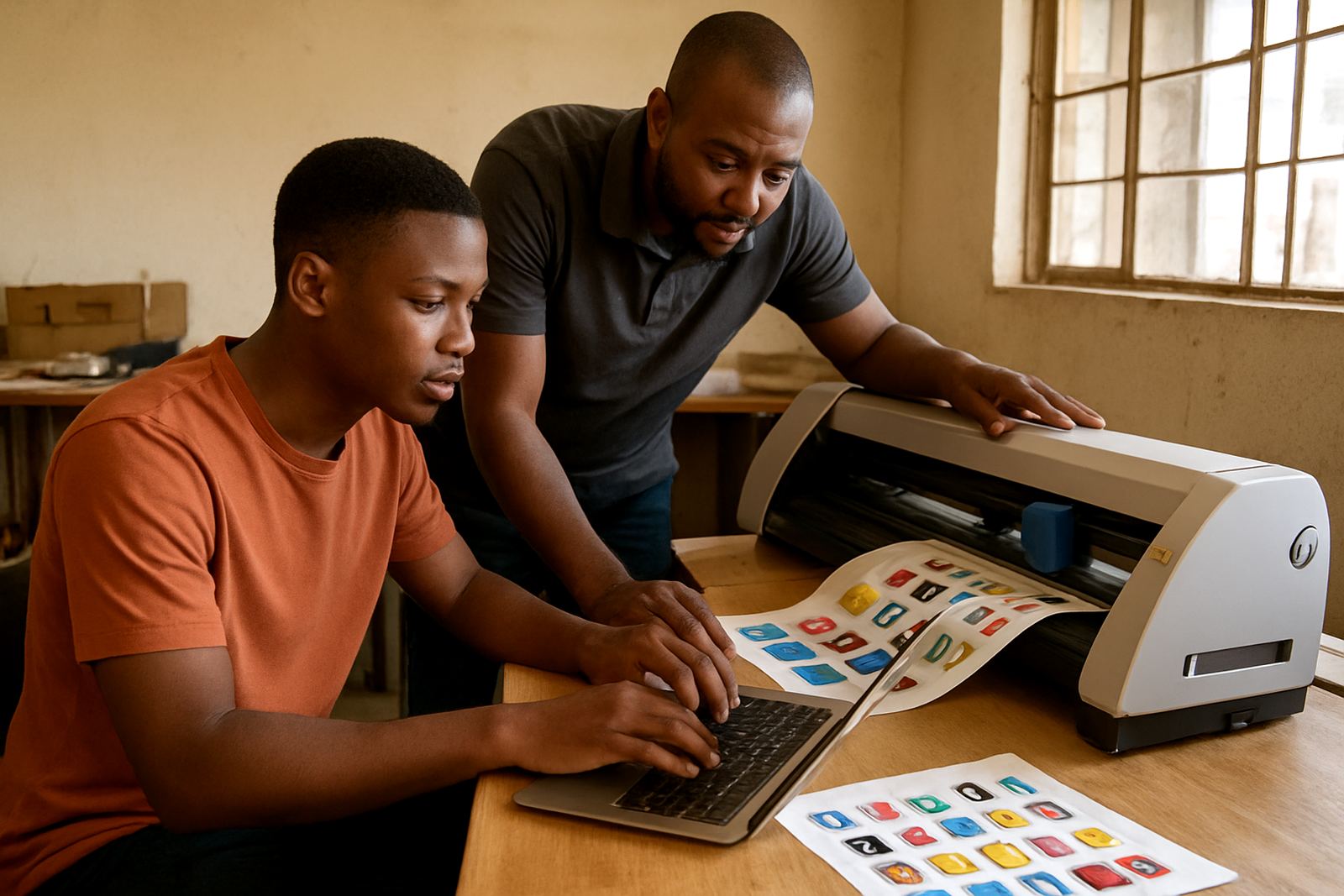
Training ran in stages over two weeks, with the first session focused on wrap planning and the second on production handling. We walked the team through measuring vehicles, marking panel joins, allowing for door gaps and trim, and planning print runs so each panel would fit the actual body shape. That was important for bigger vehicles where a single bad join can throw off the whole finish.
The print-and-fit side covered how to prepare output for install, how to label panels clearly, and how to keep order in the job stack once the prints came off the machine. We also showed the team how to manage colour checks before release, because a small shift in a fleet brand colour can become a bigger issue once several vehicles are already wrapped.
The workshop had one staff member new to wrap production, so new staff induction was included as part of the training. By the end of the second week, they had a working process that could be repeated by the whole team, including when jobs were handed over between design, print and installation. There was a bit of retraining needed on the cut file naming, but once that was sorted the handover became much smoother.
- Week 1: software and RIP setup, followed by wrap planning basics
- Week 2: print-and-fit process, cutter workflow and staff handover
- Extra focus: job naming, panel labels and colour checks
- Outcome: a repeatable method for multiple operators
Results After The First Fleet Job Went Through
After setup, the Pretoria workshop ran a small fleet job of panel vans and picked up the gains straight away. The team reported fewer panel errors, cleaner nesting on print media and less back-and-forth between the design station and the cutting table. Because the queue was set properly, they could prepare larger jobs after hours and use the next day for finishing and fitting rather than troubleshooting.
The result was not just faster output, but better confidence when quoting. The team now had a clearer idea of how much vinyl, print media and install time a wrap job would need before work began. That made it easier to price jobs in Rand with less guesswork and fewer follow-up changes. For a shop doing vehicle branding in Pretoria, that kind of control matters because one bad print can cost the whole margin on a small job.
- Fewer reprints on panelled vehicle graphics
- Cleaner job flow from artwork to print to fitting
- Better material estimates for quoting and buying stock
- More confidence handling fleet and repeat jobs
What We Would Repeat For Another Pretoria Wrap Workshop
If we were doing the same job again, we would start with panel planning examples from the exact vehicle types the workshop sees most often, then build the RIP presets around those sizes from day one. That saves time because the team can work from realistic samples instead of general settings. We would also spend a little longer on label discipline for printed panels, as that small habit prevents mixing up left and right sections during busy install days.
For Pretoria shops working in warm conditions, we would keep the colour and media handling talk practical and direct. Store the rolls correctly, let prints settle before trimming, and keep the install area clean so dust does not get trapped at the edges. Those basics are simple but they make a difference, especially when the same shop is handling a mix of cars, bakkies and fleet vans during the week.
This project showed how a practical setup can help a wrap business move faster without losing control. The system now gives the team a better grip on panel planning, print output and cutter work, and it created a standard the whole workshop can use, not just one skilled operator.
Key facts
| Project type | Vehicle graphics software setup with panel planning and print-and-fit training |
|---|---|
| Town | Pretoria |
| Timeline | 2 weeks |
| Core services | Software Installation, RIP Queue Optimising, Colour Management, Cutter Setup Help |
| Training focus | Panel planning, print-and-fit process, new staff induction |
| Result | Fewer reprints, cleaner handovers and more accurate quoting |