Everyday sign shop work needs predictable output
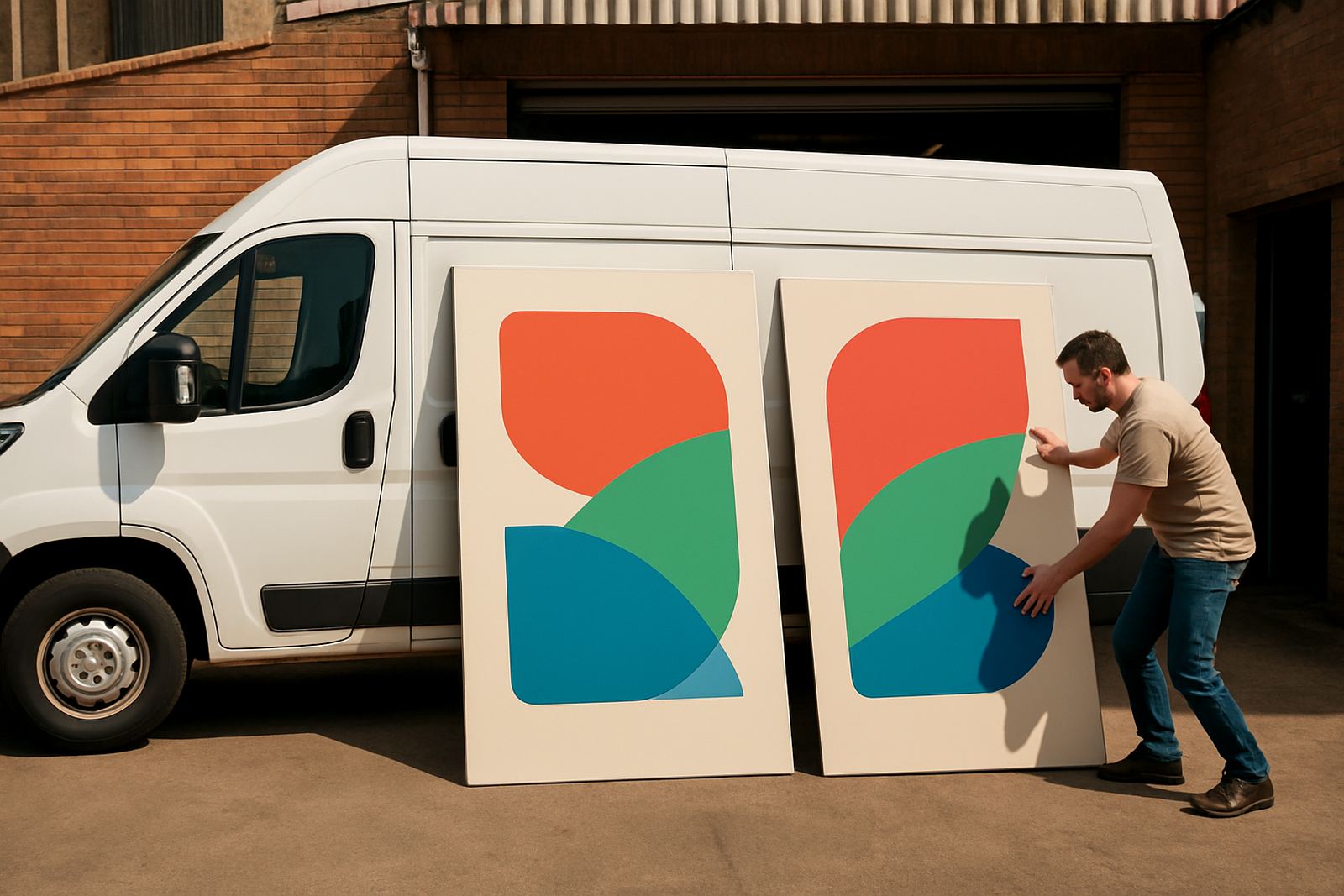
A typical sign shop in South Africa handles a mix of short runs and urgent one-off work. One hour it is Perspex letters for a reception area, the next it is coroplast boards, contour-cut decals, pull-up graphics or fleet marking for a local contractor. The software side has to keep pace with that variety without causing rework, wasted vinyl or missed deadlines.
For shops in Randburg, Johannesburg, Pretoria, Durban, Cape Town and Gqeberha, the pressure is usually the same. Jobs must be nested quickly, colour must stay close to what was approved, and the cutter must read clean vectors cleanly the first time. When a shop is still doing colour conversion by hand or sending jobs through several different programs, small errors start adding up. That is often where RIP setup, workflow planning and staff training make the biggest difference.
FlexiSIGN Studio works with sign makers who need a practical system for print and cut, daily production and proper handover between staff. It suits owner-operators as well as busy shops with several designers, installers and machine operators.
Typical equipment in a busy sign shop
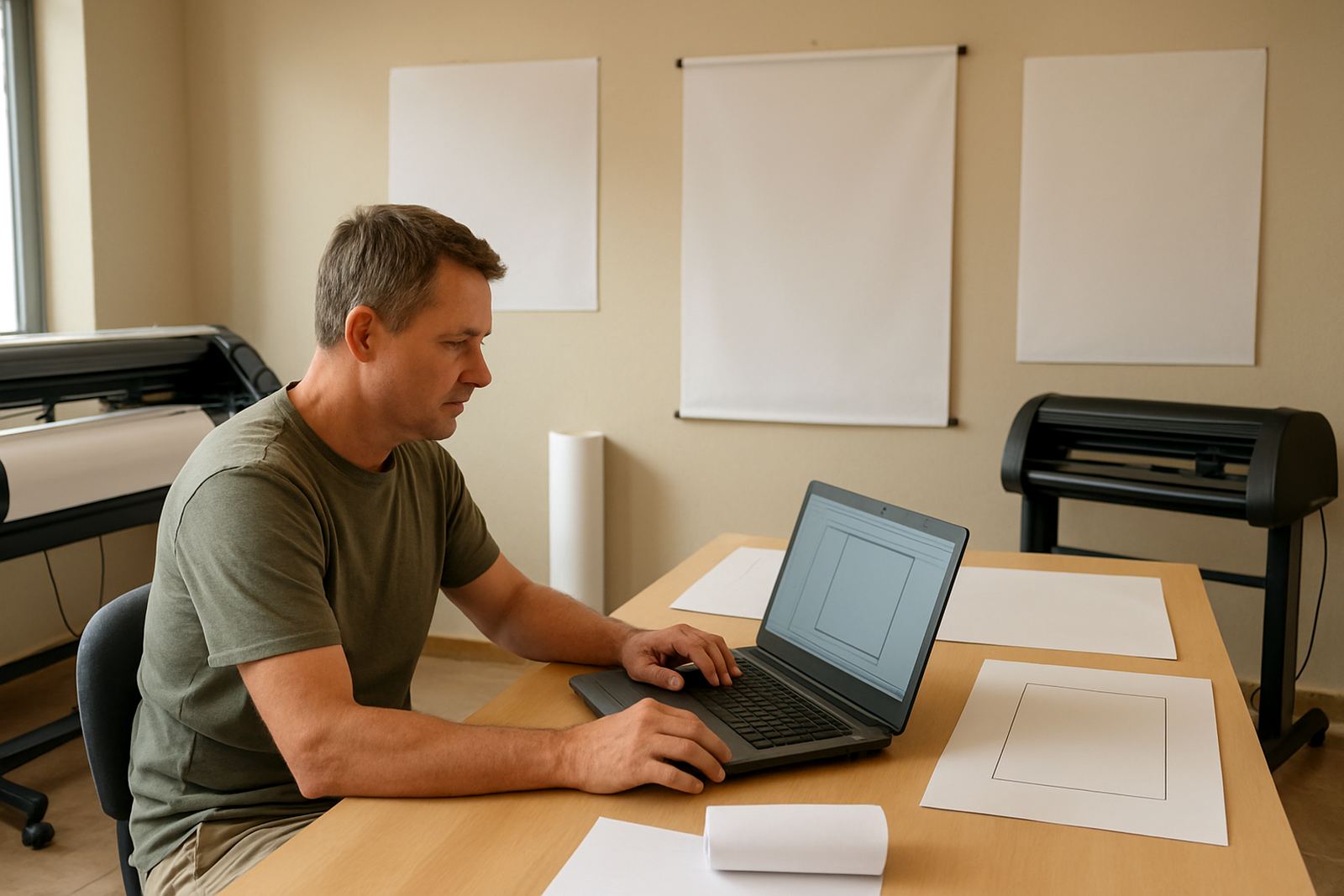
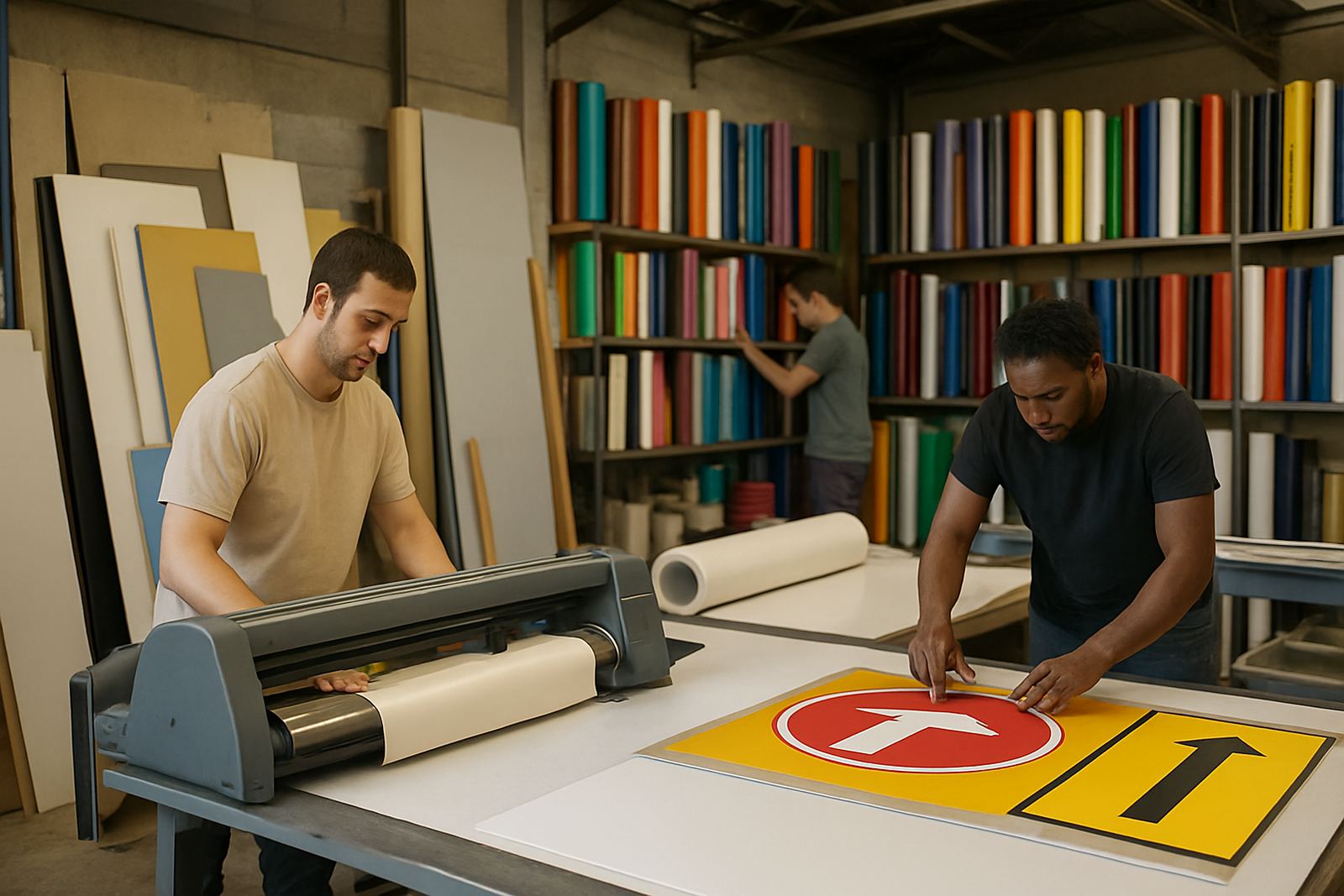
Most sign shops are running a mixed workshop rather than a single machine line. The software must link the design stage to output devices, finishing and installation prep. In many cases the setup includes one or more large-format printers, a vinyl cutter, a laminator and a design workstation. Some shops also handle UV flatbed jobs, engraving, heat transfer or magnetic media.
- Vinyl cutter for decals, lettering and mask cutting
- Large-format printer for posters, banners and wraps
- Laminator for indoor and outdoor print protection
- Design PC with enough memory and storage for large files
- Colour-managed RIP workstation for print output
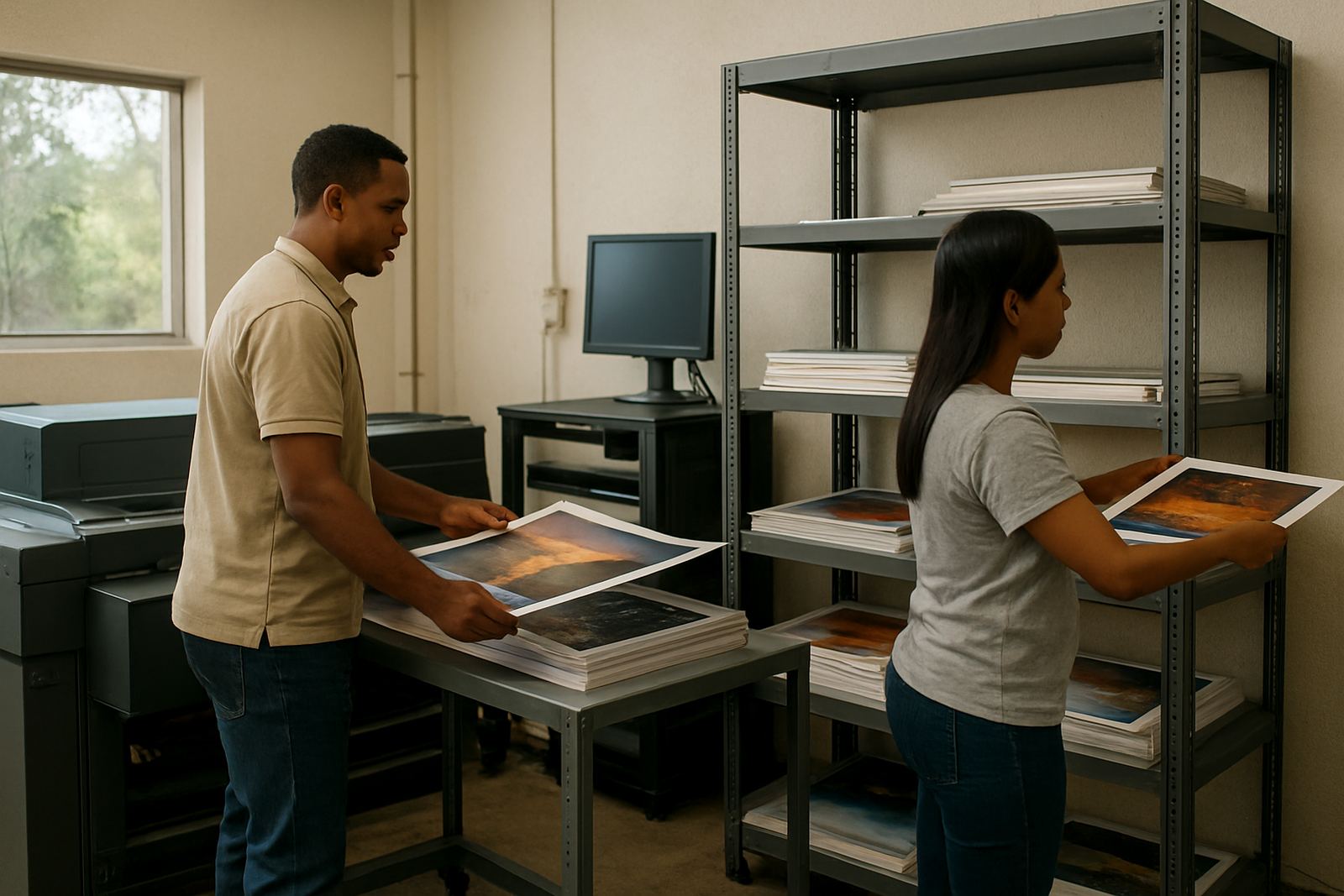
- Measuring tools, sample boards and cutter media stock
It is also worth planning for the conditions in the workshop itself. Dust from board cutting, heat in back rooms, unstable power and coastal humidity can all affect output and machine performance. Durban and Gqeberha shops in particular often need more attention to storage, media handling and print curing time. A proper setup reduces banding, curling and blade issues, and saves hours over a month.
Layout and workflow advice for small and medium shops
A sign shop layout should follow the way jobs move from quote to finish. The design area needs clear access to file storage, the cutter and the printer queue, while the finishing area should be close enough for a quick handover but separated enough to avoid damage to wet prints or fresh vinyl. If the same person is designing, printing and fitting, the workflow must be simple enough to keep the day moving without confusion.
We often advise shops to keep a clean folder structure for quotes, artwork, approved proofs and final output files. When five people are touching the same job, loose naming conventions quickly cause delays. A small fix at the start of the process can stop a reprint later. A good setup also includes colour profiles for regular media types, standard cutter settings for common vinyl grades and a repeatable naming system for cut files and print runs.
For shops with training teams or multiple sites, it helps to keep the same file process across all branches. That way a job started in Johannesburg can be finished in Pretoria or sent for support in Randburg without starting again from scratch.
Common mistakes that slow sign shop production
Many sign shops do not have a machine problem, they have a setup problem. The most common issue is poor file preparation. Thin text, hidden strokes, broken cut paths and low-resolution images all cause time loss once the job reaches production. Another frequent issue is sending jobs to the cutter with the wrong scale or mirrored incorrectly for transfer work.
Colour management is another pain point. If a shop is guessing profile settings every time, approved colours drift between batches and clients start asking for reprints. The same applies to media presets. A board job printed on one substrate and then repeated on another without a settings check can waste ink, film and labour. In shops that do not have a clear support process, small errors often get blamed on the machine when the real problem is the workflow.
- Broken vectors that stop the cutter mid job
- Incorrect scaling on signage and decals
- Wrong print mode for the chosen media
- Missing bleed or crop marks on mounted work
- Staff using different settings for the same client
We also see trouble when new staff are left to learn by trial and error. A one-day induction can prevent a lot of expensive mistakes, especially where the shop handles urgent same-day work. Even experienced designers need a proper handover when moving into sign production.
What training usually covers in a sign shop
Training for a sign shop should be practical and tied to the work on hand. That means learning how to set up a job for print and cut, send files correctly to the RIP, prepare artwork for cutters, manage colour and handle repeat production without changing results each time. It should also include how to troubleshoot basic issues before they become service calls.
Our training is used by sign shops that want staff to work faster and with fewer mistakes. Sessions can be done in Randburg, at the client site in Johannesburg, Pretoria, Midrand or Centurion, or through remote support where that suits the job. For shops with more than one branch, a common training standard keeps the team aligned. That is especially useful when one person is on leave and another needs to step in without upsetting production.
- Software installation and licence activation
- RIP queue setup and output checks
- Colour workflow basics for daily production
- Cutter setup help for common media types
- New staff induction and refresher sessions
We also help with annual support planning so shops are not caught off guard when machines change, staff move on or a new printer gets added. A bit of planning now is cheaper than fixing a mess during a busy week.
Budget ranges for sign shops in Rand
Budget depends on the size of the shop, the number of seats needed and whether the setup is a fresh installation, an upgrade or a rescue job. A small owner-run sign shop might only need one production workstation and cutter setup help. A larger shop with several operators may need full workflow setup, training and annual support. In Rand terms, the cost can vary quite a bit depending on how much time is needed on site and how much remote support is built in.
As a practical guide, a basic support visit or small setup task may fall into a lower service range, while a fuller installation with training, colour management and workflow planning will sit higher. Shops that need ongoing help should think about the monthly cost of wasted media, reprints and downtime as well. That often makes planned support better value than ad hoc callouts.
For sign shops working on everyday boards, decals and promo graphics, the best budget is the one that keeps production moving. If a shop is already busy, even one badly set cutter queue can cost more than a proper setup and a few hours of training.