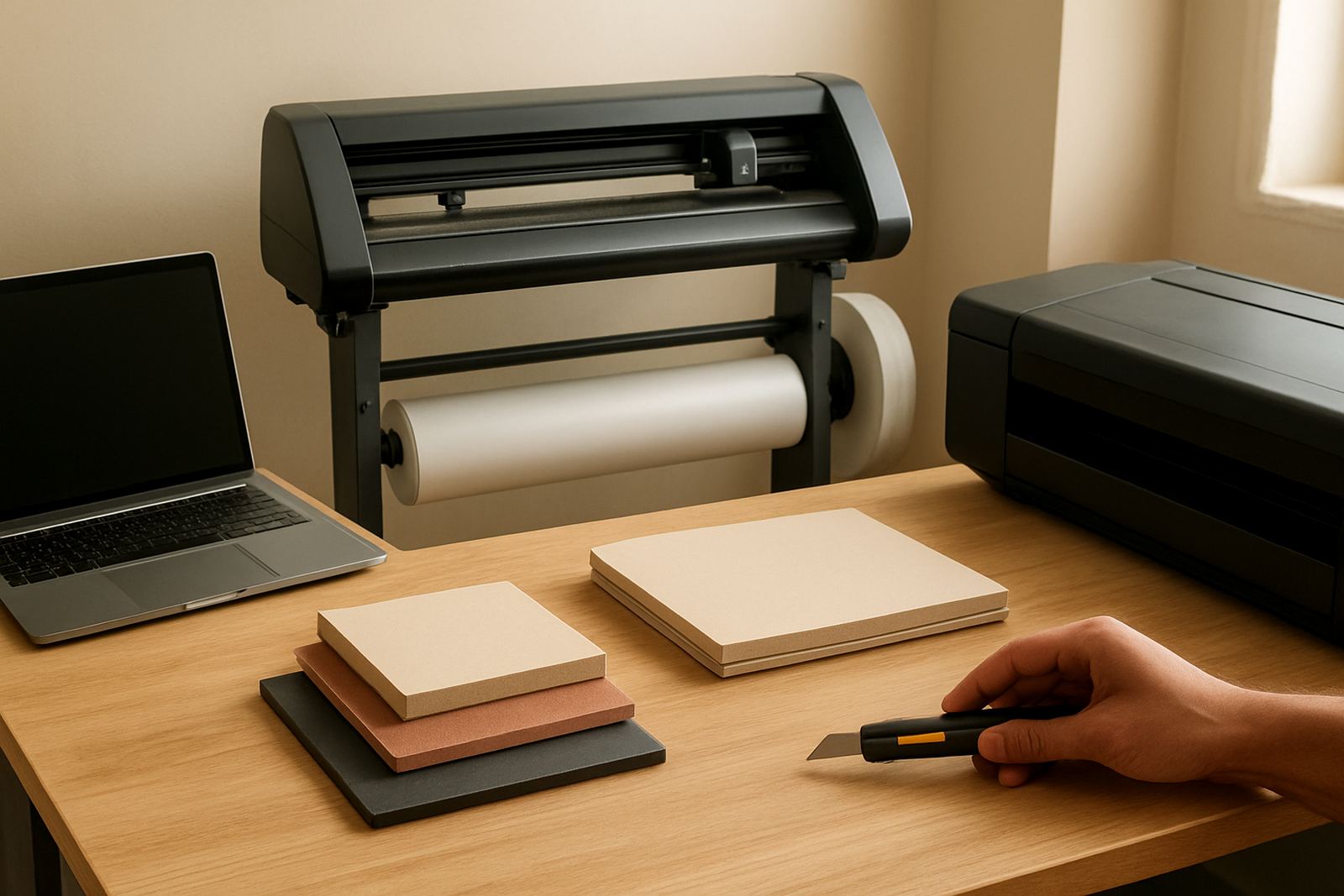


Ad hoc help vs planned support: what changes in a busy shop
Ad hoc support works when you only need help now and then. You log an issue, wait for a call back, and pay for each job as it comes up. That can suit a small studio doing light work, but it becomes expensive when your team is running vinyl cutters, print queues and repeat colour work every week.
An annual support plan gives you a known support structure for the year. Instead of stopping production to figure out a licence error or a queue setting, you have a clear path for help, follow up and planning. For shops in Randburg, Johannesburg, Pretoria and the coast, that matters when humidity, power interruptions and staff turnover all affect output.
Many owners only notice the difference when a job is delayed by one small setting. A cutter offset is wrong, the RIP queue is full, or a new operator sends the wrong profile to press. With planned support, those issues are handled before they become lost time.
What an annual support plan usually covers
An annual support plan is more than rescue work. It is a practical way to keep the software side of production stable through the year, especially when you have more than one operator or more than one machine.
- Licence activation and renewal guidance
- Remote support for day to day faults
- Onsite training for new staff or refresher sessions
- Workflow setup for RIP queues and output presets
- Colour management and profile checks
- Cutter setup help and cutting offset adjustments
- Upgrade planning so you do not fall behind on important versions
In a busy print room, the value is not only in fixing problems. It is in keeping the whole chain from artwork to output moving with less guesswork. That includes making sure the right staff members know how to load jobs, set nesting options and spot a file that is not ready for production.
When ad hoc help starts costing more than a plan
Ad hoc support can look cheaper on paper, especially if you only compare the invoice for one call. But if your team loses two hours on Monday, another hour on Wednesday and half a day because the cutter settings were not saved properly, the real cost is already higher.
Look at these warning signs:
- Staff keep asking the same setup questions
- Jobs are waiting because no one is sure which profile to use
- Your RIP queue needs regular cleaning or reordering
- Colour output changes from one operator to the next
- You are planning to add another cutter or printer soon
- Remote help is taking too long to restore production
If you recognise three or more of these, a support plan is usually the safer choice. It gives your business a calmer process, fewer interruptions and better control over training needs.
A simple support plan checklist for owners and production managers
Use this checklist before choosing a support route. It helps you see where your risks are and what kind of help will actually save time.
- List every machine that relies on the software
- Note how many operators use the system each week
- Check how often you need cutter setup help
- Review the last three colour or output issues
- Confirm whether licence activations are current
- Ask if your team knows the basic queue and output settings
- Set a target for how quickly support must respond during production hours
Once this is written down, it becomes easier to compare one-off support with yearly cover. A shop in Cape Town with coastal moisture may need different attention to one in Pretoria, and a business in Gqeberha may need more frequent checks on output consistency if the team is rotating shifts.
How training changes the value of support
Support works best when the team can actually use the advice. That is why training matters so much. If only one person knows how to manage the RIP queue, your business is exposed the moment that person is off sick, on leave, or working on another site.
A good support plan often includes new staff induction, refresher training and hands-on help with the exact equipment on your floor. That may include Randburg class training, onsite sessions in Midrand or Centurion, or remote guidance for shops in Durban and Johannesburg. The goal is simple: fewer mistakes, quicker turnaround, and less panic when something changes.
Training also helps with colour management. When everyone follows the same process, the press room stops guessing and starts repeating results. That matters when you are matching customer samples, reprinting jobs, or trying to keep a franchise chain happy.
Choosing the right level of support for your operation
Support needs differ between a one-cutter sign shop and a larger print room. A small sign maker with one cutter and limited print volume may only need planned check-ins and occasional remote help. A larger production team with multiple operators, regular deadlines and mixed output needs closer support and clearer escalation.
Think about these three levels:
- Basic: occasional remote help and licence support for low volume work
- Standard: annual support with training, setup help and workflow review
- Production: full support planning for busy shops with multiple machines and staff changes
The right option is the one that protects working hours. If you are losing production time every month, or if new staff keep needing the same help, the annual route usually makes better sense. It is less about paying for extras and more about keeping the floor moving.
FlexiSIGN Studio works with sign shops, graphic designers and print service providers across South Africa, from Randburg to Pretoria, Durban, Cape Town and Gqeberha. If you want a support structure that fits your output, use the enquiry form on our contact page and tell us what your shop is running.