
Support for sign shops working to real deadlines in Gqeberha
Gqeberha studios often work with fast-moving retail changes, factory signage, vehicle graphics and print runs that must go out on time even when the wind picks up on the coast. Our support service is set up for those conditions. We help sign makers and print service providers keep their design and RIP software running properly, so jobs can move from file to cutter or printer without avoidable delays.
Typical calls from Gqeberha include queue issues, licence activation, colour shifts between screen and output, cutter communication problems and new staff needing practical guidance. We work with small sign shops in Walmer, Newton Park, Korsten and North End, as well as larger production teams handling regular output for schools, retailers and contractors. If a job is stuck, we focus on the cause quickly and explain the fix in plain language.
Because coastal humidity can affect media handling, static and cutting consistency, we also look at the full workflow around the software. That means checking settings, output paths and operator steps, not only the program itself. It saves time later and reduces repeat faults that cost money.
What we cover for Eastern Cape print rooms
Our Gqeberha support covers the software tasks most sign makers ask for when a machine room needs steadier output. We can help remotely, plan an onsite visit when needed, and prepare a clear follow-up so your team knows what was changed.
- Software installation and licence activation
- Remote support for setup faults and output issues
- Colour management and basic profiling guidance
- RIP queue organising and job priority planning
- Cutter setup help for vinyl cutters and plotters
- Workflow setup for new systems or added machines
- Upgrade planning for older computers and production stations
- Annual support plan guidance for ongoing help
We also help with printer to cutter handover, hot folder structure, and output timing for teams that run multiple jobs at once. If your studio uses different operators across shifts, we can standardise the steps so the process stays the same from one person to the next.
Travel, turnaround and how we handle onsite visits
Gqeberha is well placed for support planning because many business areas sit within practical driving distance of one another, but travel still has to be scheduled around production. For onsite work we plan carefully, especially where a workshop is near busy routes or where load-shedding has interrupted the day and everyone is trying to catch up. In those cases it helps to arrive with a clear checklist and work through the urgent items first.
We support clients across the metro and surrounding areas, including business nodes where studios often serve both walk-in and contract customers. When an onsite visit is needed, turnaround depends on the fault, the urgency of the production run, and whether the issue can be solved remotely first. Many problems are better started remotely so the visit is shorter and more useful.
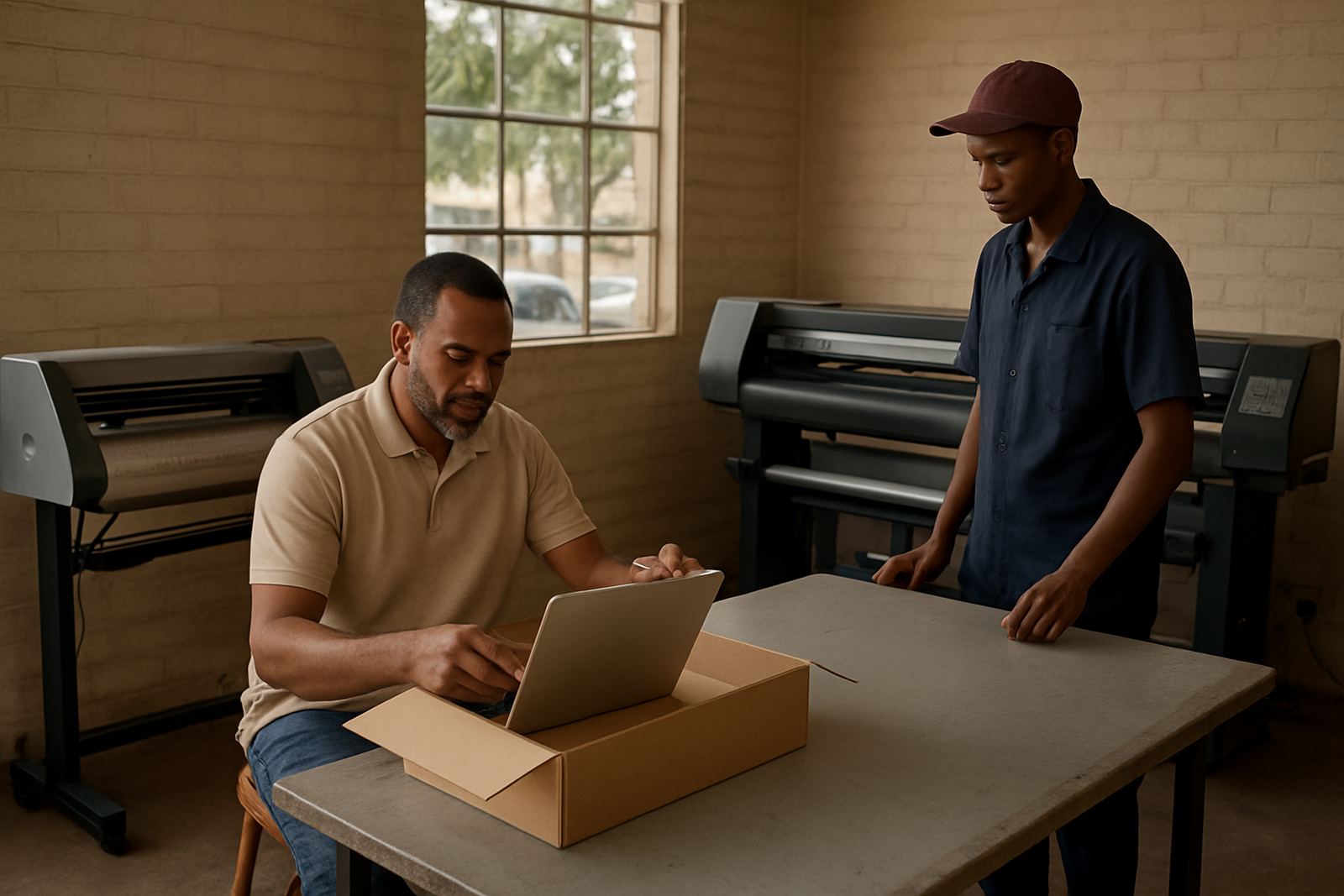
For certain calls, we will ask for photos of the machine setup, the error message or the cutter connection path before travel. That saves time and helps us arrive prepared. It also means we can advise if a fix is likely to need an operator adjustment, a software change or a machine-side check.
Coastal conditions, power cuts and colour consistency
Gqeberha’s coastal air, changing humidity and occasional power interruptions can expose weak points in a production setup. A cutter that worked well last week may start behaving differently if cables are loose, settings have drifted or a computer update has changed the output path. We keep the support focus practical and production minded, because sign shops need reliable output more than theory.
Colour consistency is a common concern for print rooms serving franchise work, vehicle branding and repeat signage. We help you manage profiles, queue settings and output checks so the printed result matches the job intent as closely as possible. That matters when clients expect the same colour on a second order three months later and the substrate has changed slightly.
We also cover simple but important steps such as keeping the workstation stable during outages, making sure the RIP restarts correctly, and checking that cutters reconnect after a shutdown. Small things like this can save a whole afternoon of lost work. One missed setting can cause a queue to stall, and the whole team then has to stop and wait.
- Check restart steps after load-shedding
- Keep colour settings documented for repeat work
- Confirm cutter connection after power returns
- Review media handling in humid conditions
Who in Gqeberha usually calls us
Our Gqeberha support is used by sign makers, graphic designers, print operators and business owners who need dependable help without bringing production to a standstill. Some teams need one-off correction work, while others want an ongoing support plan so they can call on us when a new operator starts or a machine gets added. We work with studios that do retail signage, labels, stickers, exhibition graphics and general print output.
Common clients include new sign shops setting up their first software environment, established production rooms taking on extra staff and print service providers who need help balancing speed with accuracy. If your team is expanding, we can assist with induction for new staff so they understand the layout of the software, output steps and the order in which jobs should be handled.
When a business is under pressure, the most useful support is usually the simplest: clear settings, proper licence handling, and a straightforward method that any trained operator can follow. That is what we aim to leave behind after each support call.
Training and setup support for new staff and upgrades
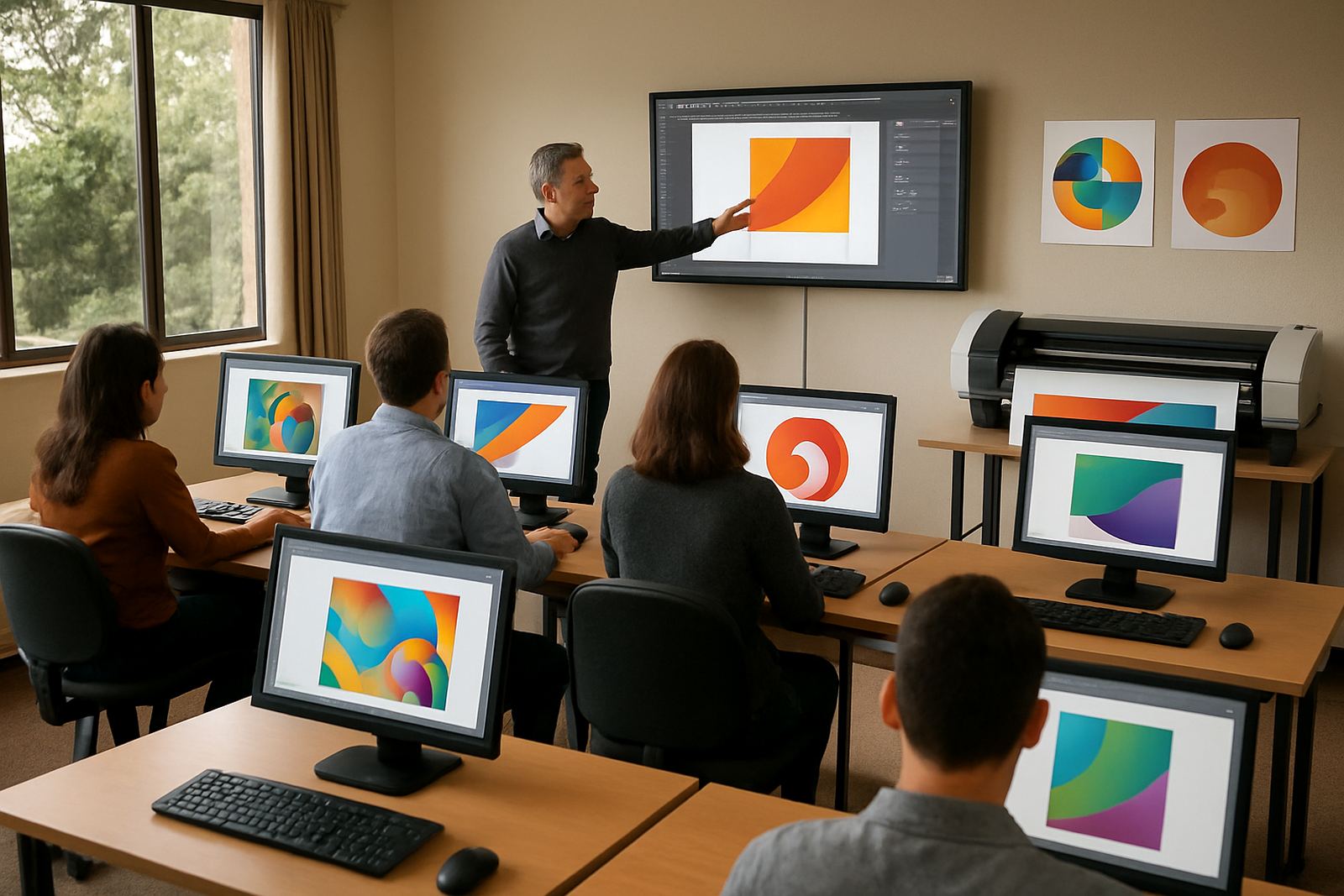
New software versions and new operators can both create risk if they are introduced during a busy production cycle. We help Gqeberha teams plan those changes so the studio keeps moving. That can mean training one operator on queue use, helping a supervisor review settings, or setting up a new machine to match the rest of the workshop.
Our training support is practical. We focus on what the team needs to do every day, not just on menu names or feature lists. That includes saving job presets, checking cut paths, managing print order, and knowing when to stop and review a file before sending it out. We can also advise when an upgrade is worth it and when the current system still has life left in it.
- New staff induction for production rooms
- Upgrade planning for older workstations
- Workflow setup for printers and cutters
- Licence activation support after system changes
If your studio is replacing hardware or moving to a new workstation, we can help line up the software steps so the change does not interrupt jobs longer than necessary. A good handover makes a big difference, especially when the same team still has deadlines to meet.
How to request Gqeberha support
For Gqeberha support, send the job details through the contact page form. Once your message comes in, we look at the issue, the machine setup and the urgency of the job before suggesting the next step. In some cases that will be remote assistance, in others it will be a planned visit or training session.
If possible, include the software version, the machine type, the problem symptoms and whether the fault started after a power cut, update or new installation. Those details help us identify the issue and avoid unnecessary back-and-forth. We work this way because many sign shops need a direct answer, not a long guessing process.
FlexiSIGN Studio supports Gqeberha businesses from Randburg with service that is focused on production reality. Whether you need a one-time fix, help with a tricky cutter setup or ongoing support for your team, we can plan the next step clearly and keep the workflow moving.